Employee health and well-being are much more than human resources (HR) buzzwords. Good physical, emotional, and mental health enables employees to be more productive and can lead to fewer sick days. On a large scale, that improvement can mean direct cost savings.
A corporate wellness coach helps you reach those goals. They serve as intermediaries between you and your employees, providing direct guidance to help employees live healthier. Their hands-on support helps employees focus on wellbeing and achieve a better work-life balance, so they bring their best selves to work.
Defining the Role of a Corporate Wellness Coach
Corporate wellness takes different forms across organizations, but the overarching goal is to improve employees' well-being through physical fitness and self-care. A certified corporate wellness coach works directly with employees, either one-on-one or in groups, to help them reach their wellness goals. They might also lead larger-scale programs and workshops to promote workplace fitness.
Employee Wellness App
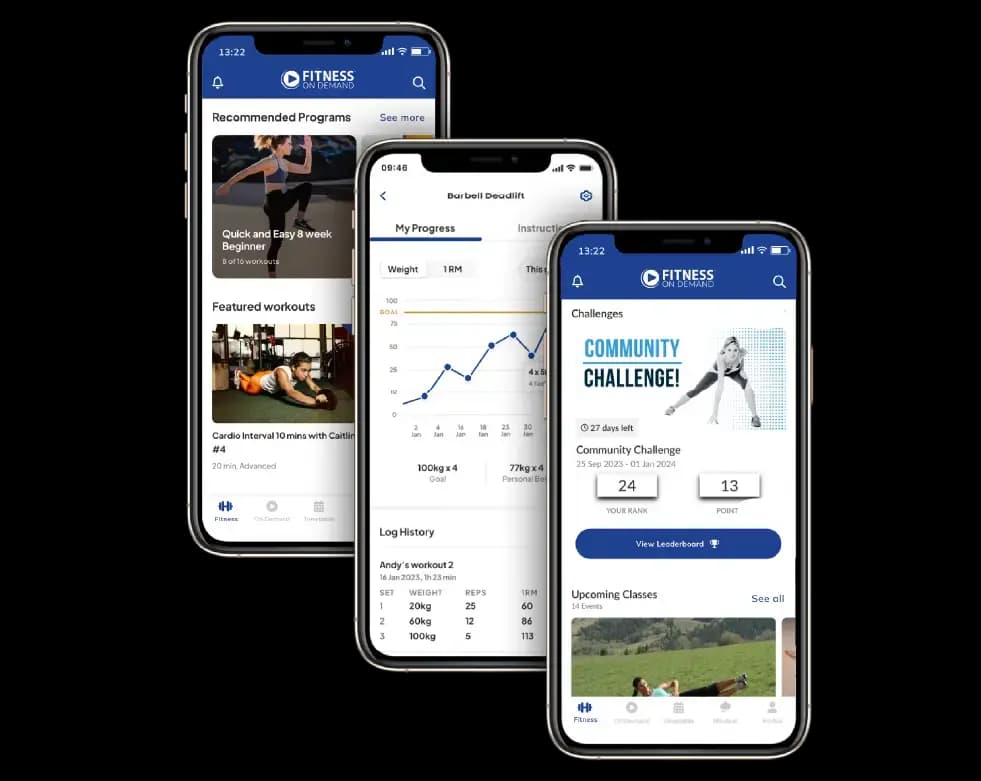
Empower your employees with access to over 1,800 cutting-edge fitness and wellness classes. Offer competitive benefits that will support attracting and retaining top talent by showing you care.
The role of a corporate wellness coach is different from that of a wellness program manager, who focuses more on structuring and developing the program itself. They handle the administrative components, such as budget and business objectives, as well as the structuring and packaging of content.
Key Areas of Support for Employees
A corporate wellness coach shows your commitment to employee well-being across all domains: physical, mental, social, and emotional. Their responsibilities cover:
- Health and fitness: Talking with employees about individual health risks, recommending fitness programs and strategies, and helping team members integrate workout routines with work schedules
- Mental wellness: Offering stress management strategies, promoting the benefits of meditation and mindfulness, and connecting employees with mental health resources
- Lifestyle management: Providing healthy eating guidance, arranging for nutrition workshops and programs
- Work-life balance strategies: Helping employees set boundaries, make time for personal needs, and effectively manage workloads
These services promote whole-person employee health, a significant priority for today's balance-conscious employees. A 2024 study revealed that employees prioritize work-life balance over schedule flexibility and paid time off. In another study, 92% of workers said it was important to work for an organization that values mental health.
When health coaches help organizations meet these needs, everyone wins.
Benefits of Corporate Wellness Coaching for Businesses
When employees benefit from wellness programming, so do organizations. McKinsey researchers estimate that if every organization invested in employee well-being, the effort could generate $1,100 to $3,500 per employee in business value. That value is the sum of improved attendance, increased engagement, and enhanced productivity.
Improving Employee Engagement and Morale
The working world is experiencing a crisis of engagement, as well as a crisis of well-being. Gallup's 2024 State of the Global Workforce Report showed a 21% drop in overall employee engagement year-over-year. Meanwhile, employee well-being has declined by two percentage points since 2022, with only 33% reporting that they're thriving in life.
Coaches provide the individualized support that employees need to make gains in their well-being. For example, many coaches are now implementing corporate wellness strategies for recovery, which help individuals reduce stress and avoid burnout. Proactive interventions like these help employees to re-energize and reconnect.
Reducing Absenteeism and Turnover
Wellness coaches help employees take a proactive role in health maintenance. They encourage positive habits and can flag potential risk factors before they turn into bigger issues — the kind that keep employees out of work.
Fewer sick days and workday doctor appointments aren't the only benefits of a proactive employee wellness program. Research has shown that poor health and work-life imbalance are among the top three reasons people leave their jobs permanently. Coaches help to interrupt this pattern by providing personalized guidance and resources on personal well-being.
Enhancing Productivity and Performance
According to McKinsey researchers, up to 77% of the value of corporate wellness comes from improved productivity and reduced presenteeism, a term referring to the reduced performance due to poor health. Presenteeism affects individuals with any condition or concern that impacts their day-to-day functioning.
Corporate wellness coaches help individuals address those concerns, often before they begin to impact productivity. Think of their work as a tune-up for your team — even if they're working effectively now, better long-term health can keep them in top form.
How Corporate Wellness Coaches Work With Organizations
Corporate wellness coaches are boots on the ground for your employee well-being strategy. Their core tasks include:
- One-on-one coaching: Coaches host confidential sessions where employees can discuss their goals and concerns with a knowledgeable professional. Coaches provide guidance and direct employees to wellness resources, including convenient digital strategies.
- Group sessions: Many coaches present workshops, seminars, or group classes to teach wellness strategies. These sessions are a convenient way to share available resources and provide practical tools to navigate daily challenges.
- Wellness programs: Coaches collaborate with HR teams to develop programming and integrate it into the organization's culture. Because they work directly with employees, they can communicate team members' health needs and develop practical solutions.
One increasingly important strategy is the introduction of digital health and fitness solutions. Experts are finding that these convenient resources are essential in today's tech-savvy society, making online programming an integral component for success. Download your free Athletech News report to learn more about this developing trend.
Implementing a Corporate Wellness Coach in the Workplace
A corporate wellness coach is like any new resource or support person. For them to effect the most change, your people and systems need to be ready.
Introducing the Coach to Your Team
Preparing your people is about communicating value. You want to explain the concept of a coach and what they can do before they arrive on the scene, so team members are fully ready to take advantage. Here's how to get some buzz going:
- Step 1: Preview the experience. In your next communication about corporate wellness, announce that you're partnering with a coach to enhance the employee experience. Call out a few key benefits, such as one-on-one sessions and on-site workshops.
- Step 2: Meet the coach. On or before the coach's first day, schedule a meeting or drop-in hours for employees to introduce themselves and ask questions. This can be in-person or virtual.
- Step 3: Host a welcome workshop. Invite the coach to host an introductory session in small groups or with the larger team, depending on the size of your organization. Focus on new tools and resources, particularly digital experiences.
Continue to promote the wellness specialist's services even after they've started. Brief "spotlight" style messages are great for communicating specific offerings and value points, without overwhelming the employee with too much at once.
Leveraging Digital Programs to Scale Impact
Ultimately, the success of a wellness coaching program will depend on employees' ability and motivation to engage. Digital programming makes wellness programming more accessible for employees of all fitness levels, while also making participation more convenient for those with busy schedules.
By recommending digital programming or offering virtual services, coaches can engage more team members in the company's wellness initiatives. View our webinar to discover how digital offerings like these can enhance your program's appeal while building community at the same time.
Measuring Effectiveness and Return on Investment
Tangible results are essential for any program, including well-being initiatives. As you prepare to introduce a corporate wellness coach, start tracking relevant metrics. Look at metrics such as:
- Program participation
- Productivity
- Absenteeism
- Turnover
- Employee healthcare costs
Continue to track your chosen metrics after the coach begins working with your team. Don't expect immediate changes — health initiatives can take time to show measurable results. Continue to promote your corporate wellness offerings and track participation.
Supporting a Culture of Health and Wellbeing Long-Term
For any wellness initiative to succeed, it needs to represent the organization's culture and values. This involves aligning large-scale wellness goals with the company's business objectives, while fostering ongoing engagement.
You have engagement when employees participate beyond the initial promotional push. The key is to help employees understand the benefits to their overall health, including physical fitness and mental wellness.
Promote this connection by planning 12 months of employee wellness, including resource spotlights and group events. Foster positive behavior change through health-based challenges and encourage employees to reflect on their progress, allowing them to see the benefits of participation firsthand.
Meanwhile, continue to track the metrics that you defined as key to your program's success. Find the connection between these metrics and your organization's core goals, especially those related to HR. Clearly communicate these benefits to decision-makers to maintain their buy-in.
Finally, be sure that the programs you offer meet the needs of your employees and the organization. Fitness On Demand offers digital fitness solutions that support corporate wellness initiatives by empowering team members to prioritize their well-being. Check out Fitness On Demand today and watch your team's wellness goals come to life.
FAQs About Corporate Wellness Coaches
What Is a Corporate Wellness Coach?
A corporate wellness coach is a professional who works hands-on with an organization's workforce to improve health and well-being. Wellness coaches typically offer one-on-one coaching as well as group sessions, during which they provide wellness tips and share resources from the company's wellness programs. Coaches also collaborate with their organizations to refine and develop wellness programs tailored to employees' unique needs.
What Is the Role of a Corporate Wellness Specialist?
A wellness specialist's role is to enhance well-being throughout the organization, starting at the individual level. They are representatives of the company and its wellness program, which means that part of their job is to recommend sponsored programs. Coaches utilize their knowledge of community health and well-being to promote the right programs in the appropriate context, ideally enhancing both participation and overall wellness.

Author
Sean Obregon
Sean Obregon is an impactful Business Development Executive forming meaningful relationships to support enhancing operational and strategic success. He utilizes his industry knowledge and experience to create solutions that align with both the needs and wants of a customer, setting a business up for success.