The fitness industry has been shifting for years, but 2026 marks a sharper turning point. Global consumer spending on fitness and wellness has surpassed $1.8 trillion, and participation in structured exercise continues to rise. Members are looking for smarter, more integrated solutions - ones that help them manage health, track progress, and build sustainable habits.
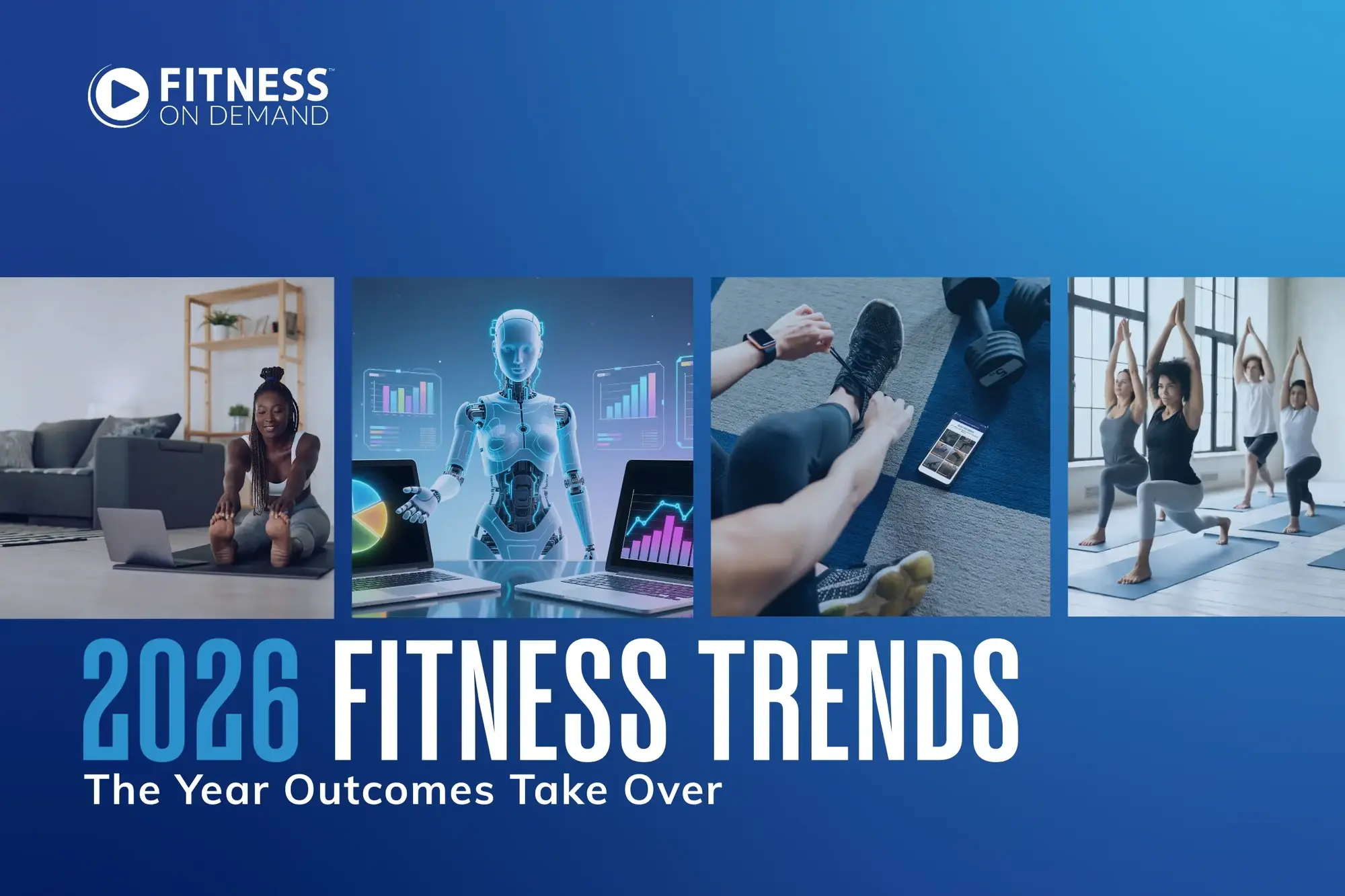
Technology is no longer a nice-to-have. Recovery is no longer an add-on. And fitness is expanding into a broader ecosystem that blends physical training, health insights, and long-term wellbeing. These shifts set the stage for a more connected and outcomes-driven industry.
As Andy Peat, CEO, Fitness On Demand, notes:
“As we look ahead to 2026, several defining trends are set to reshape the fitness industry in meaningful ways. Personalization will accelerate as operators increasingly leverage data-driven insights to deliver smarter, more adaptive training recommendations. Members are expecting experiences that evolve with them, and the brands that translate data into actionable guidance will lead the next phase of growth.
“Recovery will also continue its rise, not as a standalone offering, but as a core part of the in-club ecosystem. Gyms are recognizing that long-term member engagement relies on balancing intensity with restoration, and we’ll see recovery integrated more deeply into existing spaces and programming.
“Another major shift is the continued convergence of fitness and health. As GLP-1 medications become more affordable and accessible, behavior change support, movement, and strength training will play an even greater role in sustainable outcomes. The strength-training boom is far from over; in fact, it will strengthen as both new and existing members prioritize functional results over aesthetics.
“We’re also watching the evolution of gyms into true ‘third places’ - places where community, identity, and daily routines intersect. This will be a critical differentiator for operators aiming to deepen loyalty and deliver meaningful value beyond the workout itself.

Turn screens into community touchpoints, not background noise.
“Behind the scenes, AI adoption will also expand significantly. While member-facing AI will develop steadily, the fastest growth will occur in back-of-house applications – supporting operations, forecasting, content automation, and decision-making.
“Operators who embrace these tools early will gain a considerable advantage. Taken together, these trends point to an industry that is more intelligent, more holistic, and more connected than ever before. 2026 will be a transformative year for operators who are ready to innovate and meet members where they are—both physically and digitally.”
Below, industry leaders give their perspective on the shifts defining the year ahead.
Smarter, Older, and More Outcomes-Driven
The industry is maturing quickly as technology enables deeper personalization and more measurable results.
Edward Hertzman, Founder & CEO, Athletech Media Group LLC, explains:
“Heading into 2026, fitness and wellness companies are getting smarter, older, and far more outcomes driven. Wearables and apps have become the industry’s operating system, enabling real-time coaching, personalization, and stronger adherence at scale.
“We’ll also see medically aligned exercise for weight management accelerate in the GLP-1 era, alongside major growth in active-aging and longevity training as balance, mobility, and recovery move fully into the mainstream.
“But 2026 will be equally defined by intensified competition and the consolidation that follows. Expect “blood wars” among diagnostic and biomarker players, with brands like Function and Superpower battling to own the category.
“A booming Pilates and HVLP landscape will fuel aggressive investment and rapid expansion first, then shakeouts as clear leaders emerge and others either exit or get acquired to gain market share.”
Hertzman points toward an industry where data, diagnostics, and long-term function shape both programming and investment.
Recovery Rises and AI Enhances the Member Experience
Recovery-focused fitness solutions continues to expand as a strategic priority. It’s becoming central to member engagement, retention, and overall wellbeing, not just a bonus offering.
Tim Adkins, Vice President of Media, Peake Media, notes:
“Based on what I’m hearing from industry operators around the country, there are some key areas that are trending going into 2026. Recovery continues to trend upward with clubs adding dedicated recovery spaces which helps increase member engagement while also adding ancillary revenue opportunities within the club.
“In addition, club operators are continuing to learn more about AI technology and how it can enhance – not replace – the member experience. Sales, marketing and member retention tools through AI are continuing to change how clubs interact with prospects and members.
“And finally, the definition of fitness continues to evolve. It’s meaning has broadened over time and will continue to do so into 2026. Growing benefits of strength training, mental health, overall wellness and other areas now defines fitness.
“Clubs are creating social spaces that members can enjoy with their fellow peers which creates a sense of belonging and builds community. Club operators that are learning and researching some of these trends will be well-prepared as the industry adapts to these trends.”
For operators, recovery, AI, and community aren’t separate initiatives, they work together to deepen value and differentiate the member experience.
Recovery is no longer optional.
See how leading operators are integrating recovery into existing spaces—without adding square footage or costly renovations.
Revenue Diversification and Experience-Driven Fitness
Operators can no longer rely on traditional membership models alone. The most successful facilities in 2026 will offer integrated, multi-tiered experiences supported by technology, partnerships, and value-add services.
Sara Allen, Vice President of Business Development, Fitness Business Association (FBA) and SUCCEED!, emphasizes:
“In 2026, we will continue to see the fitness industry grow fast, but not in ways traditional operators are ready for. Category expansion, digital disruption, and shifting policy expectations are redefining what members value and how clubs must compete.
“With the global club market approaching $110 billion, relying on the same membership model is no longer enough. The leaders this year will be those who diversify their revenue through subscription tiers, value-add services, and connected digital experiences, and who leverage partnerships that drive measurable outcomes.
“The industry isn’t rewarding size anymore; it’s rewarding operators who adapt quickly and deliver real, differentiated value.”
The takeaway: flexibility and innovation will set operators apart as expectations continue to broaden.
Enhance Your Membership Value
Don't reinvent the wheel. Ready-made apps can unlock new revenue streams for fitness operators.
Fitness Evolves into a Holistic Wellness Ecosystem
Members increasingly want solutions that support every dimension of wellbeing – fitness, recovery, mental health, mobility, and longevity – all tied together through clear guidance and meaningful outcomes.
Crystal Wheeler, Managing Director, Industry Development Americas, Beyond Activ, states:
“As we move into 2026 and beyond, fitness is evolving from traditional workouts into a complete wellness ecosystem. Physical training, recovery, longevity, mental health, and overall well-being are blending into a single, holistic lifestyle approach. People and programs will increasingly view this ecosystem as a long-term investment in health, mobility, and quality of life.
“At the same time, technology - especially AI and advanced wearables - will continue to grow more powerful and personalized. These tools will give consumers deeper insight into their bodies through real-time data and meaningful metrics. By translating information into actionable guidance, technology will help individuals optimize their progress, make smarter decisions, and ultimately enhance their overall well-being.”
Adding to this, Tiarre Sales, Senior Marketing Specialist, Fitness On Demand, underscores how technology, wearables, and recovery are shaping expectations for 2026:
“As technology continues to advance, we’ll see AI, advanced wearables, and recovery take off and thrive in 2026. AI and recovery are on the rise and wearables have already exploded in the market to the point billions of people worldwide use them. With all the information accessible through the internet and social media, people will rely on the data from their wearables to be accurate and relevant to make informed decisions about their training goals and recovery needs.
“AI has become a presence in daily life and with the capabilities to automate and personalize with ease this will become an advantage for both businesses and users. People expect to have curated suggestions in all aspects of their lives from social media feeds to recommended recovery times. Recovery is the missing piece of the overall wellbeing puzzle that people will focus on to make the most of their efforts.”
Together, these insights highlight how fast technology and recovery expectations are accelerating, and how members are increasingly looking for guidance that ties data, decisions, and daily habits into a unified experience.
See the Future of Fitness in action!
The Bottom Line for 2026
Across all expert perspectives, the outlook for 2026 is clear: the industry is moving toward smarter systems, integrated wellness experiences, and more responsive member journeys.
Technology is set to anchor this evolution; supporting personalized training, shaping decision-making, and strengthening the connection between in-club engagement and real-world outcomes.
At the same time, recovery, strength training, GLP-1–aligned programming, and longevity-focused solutions are redefining what members expect from their fitness providers. AI is also accelerating operational efficiency, giving operators new ways to optimize performance behind the scenes.
The facilities that excel will be those that unite digital tools, actionable insights, and meaningful community experiences into a cohesive offering. Fitness On Demand is built to help operators do exactly that - providing scalable content, hybrid engagement capabilities, and adaptable solutions that meet members where they are and keep them moving forward.
Ready to Elevate Your Member Experience?
The next stage of fitness belongs to operators who act with intention. If you're ready to expand your digital ecosystem, strengthen your programming, and deliver engagement that lasts, we can help you get there faster.
Connect with us today to explore how our omni-fitness platform can power your facility’s next chapter and position you ahead of the trends shaping 2026 and beyond.

Author
Nick Gustafson
As a marketer and musician, Nick brings creativity, energy and excitement to everything he does. He's a big proponent of using data to identify new opportunities or improve existing processes, which has helped him create and execute key strategies that drive brand awareness, increase lead volume, and improve revenue for multiple companies.