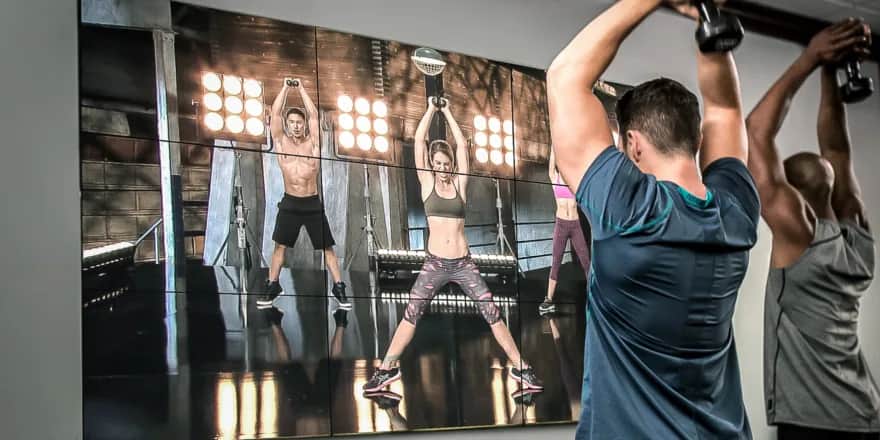
If you’re planning to open an apartment gym or a club, limited fitness center space doesn’t have to mean limited performance. But how do you create a safe, functional, and engaging experience with less room to work out? Getting the fitness center dimensions right can change how your entire space works.
When dimensions fall short, your high-quality amenities can lose impact. Overcrowded cardio zones and inflexible multipurpose rooms can frustrate your members and disrupt daily operations.
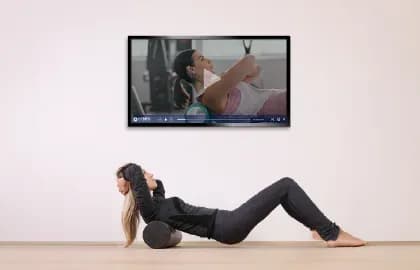
Win with Technology
Provide over 1,800 virtual fitness and wellness classes through an interactive Touchscreen TV.
This is where effective fitness center planning comes in. It doesn’t have to be about squeezing in more equipment. It’s about designing with proper clearance, circulation, and flexibility across cardio, strength, and functional fitness training areas. When each zone is sized with your members in mind, the space feels more accessible, safer to use, and more adjustable during busy times.
Let’s look at practical guidelines for the dimensions of fitness centers and discuss how digital fitness platforms like Fitness On Demand can help you boost member engagement without expanding square footage.
Why Fitness Center Dimensions Matter for Functionality and Experience
Even if your fitness center layout seems fine, it may have issues that aren't obvious at first. Members may queue for equipment even when the room isn’t full, while your team ends up directing traffic instead of supporting workouts. These pain points stem from how you use the given space and not from the equipment itself.
How you size and organize your fitness center affects member safety, movement, and satisfaction. With adequate spacing and clear routes between workout areas, members can move comfortably and stay focused on their workouts. When room is limited, you’re often forced to compromise by cutting back on equipment options or restricting exercise formats. Balancing personal training sessions with group classes is a common challenge in apartment gyms.
That’s why you need a fitness space designed to flex. For multifamily fitness center design, adaptable layouts and well-defined circulation let your room serve many purposes throughout the day. Adding digital fitness further extends that adaptability, helping you expand programming options without needing additional square footage.
Core Space Planning Principles for Modern Fitness Centers
Before you decide where the equipment goes, step back and assess your space's functionality. For a successful fitness center, plan around how members move, train, and use the space, rather than focusing on its size. Your main aim is to create a secure fitness environment that is always easy to use.
Square Footage Per User Benchmarks
Peak hours put your fitness space to the test. If your members feel cramped or have to wait for equipment, the room is undersized. So, plan square footage per user based on the equipment usage. This can help you reduce congestion and support comfortable movement during the busiest times at the gym.
As a general benchmark, plan for 10 to 14 square feet per user on the workout floor for basic exercise. You can then optimize the space, so members can work out without getting in each other’s way.
Circulation Paths and Sightlines
Everyone needs room to train with confidence. And you don’t want their workouts to feel rushed and uncomfortable. So, maintain clear circulation paths to reduce bottlenecks. Additionally, ensure strong sightlines to help members stay oriented in classes. This also lets members easily see screens and instructors, which matters most in virtual or on-demand classes.
Ceiling Height Requirements
The height of your ceilings determines the types of training your gym can support. Higher ceilings make your gym feel open, allowing air to circulate evenly and keeping the space cooler during intense workouts. They also reduce sound buildup, helping control noise when multiple classes are in session simultaneously.
Lower ceilings may work for basic cardio or strength equipment. But they can limit your programming options and feel restrictive during high-intensity workouts.
Environmental Considerations
The moment members walk in, the ventilation, lighting, and acoustics affect the atmosphere of your fitness space. Good airflow keeps workouts comfortable when the room fills up. Smart lighting helps members see equipment clearly. Thoughtful sound control keeps music and instruction from becoming a distraction in shared areas.
Standard Dimensions for Small Fitness Centers in Apartments & Multifamily Spaces
In apartment and multifamily properties, you rarely have extra space to work with. Your goal isn’t to build a large gym but to create one that feels functional and flexible enough to support your members’ varied fitness goals.
Recommended Overall Footprint
Design your fitness center to accommodate members during peak hours rather than total resident numbers. Base your planning on how many people will work out at the same time to prevent crowding and long wait times.
Use these peak-usage guidelines to size your space effectively and enhance your members’ wellness journey:
- 10 users: 325 to 540 square feet
- 30 users: 970 to 1,615 square feet
- 50 users: 1,615 to 2,690 square feet
- 100 users: 3,220 to 5,380 square feet
Designing this way helps your space perform well when demand is highest, supporting safer workouts and better fitness experiences.
Cardio, Strength, and Stretching Zones
Breaking the room down by training type allows you to use every square foot more effectively. Cardio areas need the most linear space. About 40 to 60 square feet per cardio machine lets members mount, dismount, and walk safely behind the equipment.
Strength machines require a bit more room for adjustments and full range of motion. This helps keep workouts comfortable and prevents users from overlapping. For functional fitness training like HIIT or weight circuits, plan for extra room for dynamic movements and changing class formats.
Don’t overlook stretching and recovery. Reserving enough space for cooldowns or guided recovery sessions makes sure these activities don’t spill into active workout zones.
Traffic Flow and Safe Spacing
If you have a smaller gym, traffic flow can make or break the experience. Members should move easily between zones without interfering with others or blocking equipment access. Pathways and consistent spacing of about two to three feet between stations reduce collisions and improve safety. Your space feels organized, no matter how many residents train there.
Ideal Dimensions for Boutique Studios & Group Fitness Rooms
Designing a bigger studio or group fitness room? Your space needs to support movement and visibility. When the room feels tight, members may lose momentum. If it’s oversized without purpose, it becomes inefficient. The right dimensions strike a balance between comfort and workout intensity.
Typical Dimensions by Class Type
Every exercise class format uses space differently, so consider the room size and your gym's busy hours. Here’s a list of the typical dimensions you need to work around:
- Personal training: Allocate 1,100 to 2,700 square feet to give your personal trainers room to coach, demo, and move clients safely.
- CrossFit and functional training: Open, high-movement formats usually require 2,100 to 5,400 square feet to accommodate rigs, turf, and dynamic workouts.
- Yoga, Pilates, and mobility: These low-impact classes work best in open studios, often 860 to 2,150 square feet, with room for laying mats and transitioning between exercises.
- Cycling: Fixed layouts require structure, so plan for 45 to 75 square feet per bike, including aisles and sightlines.
Additionally, HIIT, dance, and movement-based classes all require extra space. This is because fast transitions and lateral motion require clear floors, wide sightlines, and unrestricted walking.
Ceiling Height
Ceiling height often determines what your studio can offer. Low ceilings may work for yoga or cycling, but they limit jumping, overhead lifts, and vertical equipment. Plan for at least 12 to 14 feet in group fitness rooms to comfortably support functional training and overhead movements. Higher ceilings improve airflow and acoustics, keeping the space comfortable when classes fill up.
Designing Multipurpose Wellness Areas With Flexible Layouts
Your biggest asset is a single room that can host a morning stretch session and an evening virtual class without missing a beat. This flexibility starts with your fitness center layout. With open floor plans and defined zones, your members instinctively understand where to go. Mobile racks, stackable weights, and smart storage, such as wall-mounted shelves, keep workouts clutter-free.
For added safety, efficiency, and comfort across all workout types, use durable flooring, layered lighting, and acoustic treatments. When these elements come together, your space feels purposeful and effortless, turning it into a hub for fitness enthusiasts.
Equipment Spacing, Safety Standards, and ADA Guidelines
Poor spacing in your fitness facilities can create problems when people move, lift, and use equipment simultaneously. You need clear standards that protect your members and keep them moving. Make sure treadmills and cardio machines have adequate rear and side clearance, so members can step off safely and handle emergency stops with confidence.
Also, allow wider buffers in free-weight areas, so lifters and spotters can complete full ranges of motion without bumping into others. Keep consistent spacing around strength machines so that members can adjust settings, load plates, and change stations.
For every member's safety, ensure walkways comply with the Americans with Disabilities Act (ADA). And make sure all members, including those with mobility devices, can move freely. This way, you reduce congestion, which, in turn, lowers injury risk and creates a safer gym environment. It also keeps operations smooth and reduces daily disruptions for your team.
Maximizing Limited Square Footage With Digital Fitness Solutions
When you have limited exercise space, digital fitness lets one room support multiple workout types. On-demand classes turn it into a strength studio, yoga space, or fitness and recovery zone without changing your footprint. You can even transform underused rooms into high-value virtual fitness areas with the right setup.
You can take flexible layouts a step further with Fitness On Demand, bringing digital, on-demand exercise classes into your space. We help you deliver more variety, better engagement, and a premium workout experience using the area you already have.
Request a demo and see how Fitness On Demand can do more with less.

Author
Todd Wiginton
Todd Wiginton is a seasoned fitness professional with over a decade of experience in the industry, currently serving as the Sr. Director of Operations at Fitness On Demand. His career, marked by roles such as Personal Training Manager and Strength and Conditioning Coach, showcases his dedication to fostering personal and professional growth in ever-changing environments.