It’s time for workplace wellness to move beyond the typical once-a-year health fair no one asked for.
Employee wellness should consist of programs, spaces, goals, and activities that get people moving — both physically and metaphorically. That means creating experiences that take a holistic, versatile approach, ranging from physical activity and nutrition to mental health and community-building.
Understanding the different types of workplace wellness programs — and how they work together — can help you keep your employees healthy and happy. Below, we’ll explore the most effective programs and how modern digital tools bring them all together.
Related Article
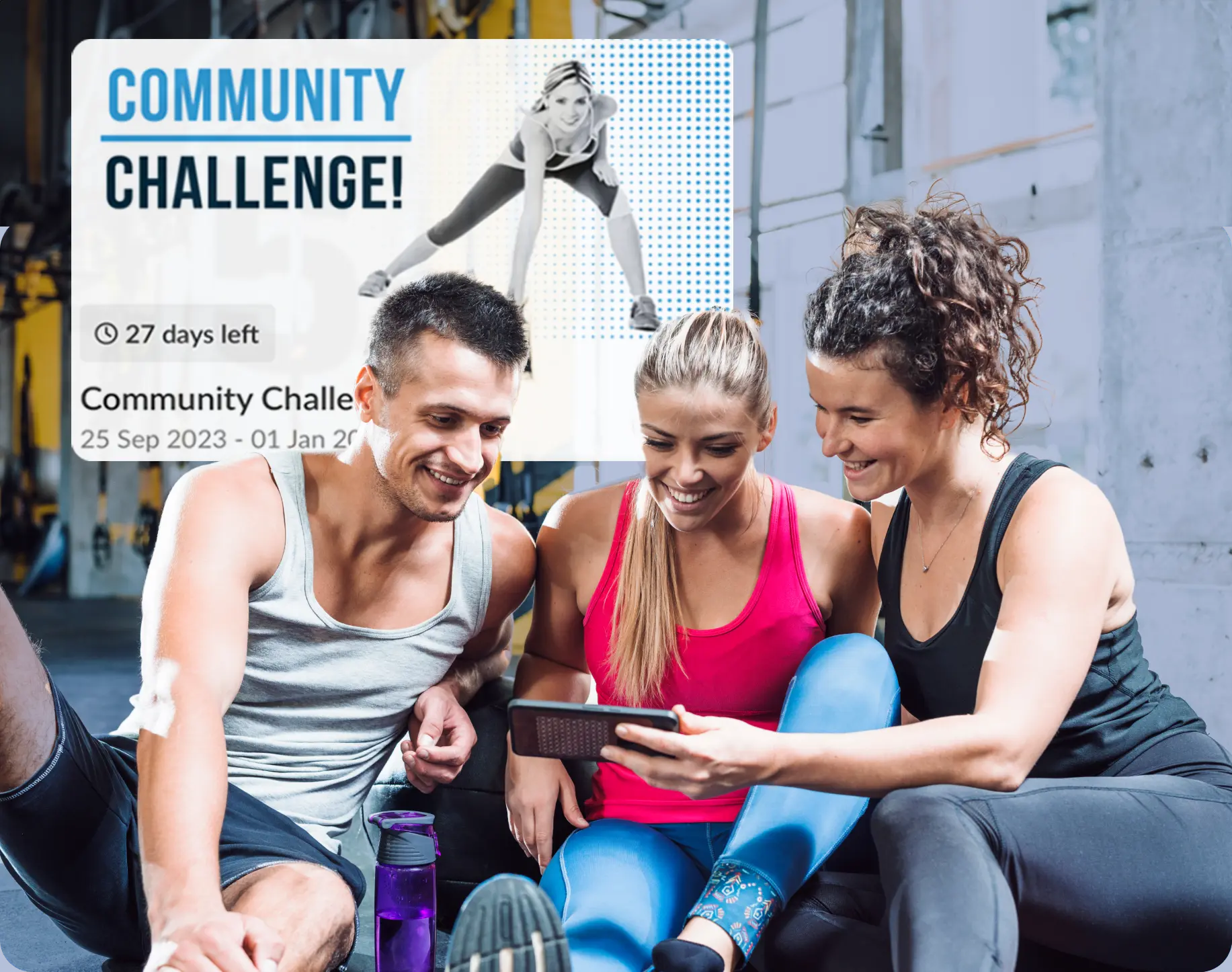
Easily implement the top workplace wellness challenges that your team will actually enjoy!
Physical Fitness & Movement Programs
It’s hard not to think of physical fitness when you hear about workplace wellness. And for good reason.
Movement-based initiatives are foundational to many employee wellness strategies because they are tangible and familiar to people. Physical activity is a fantastic way to break the natural sedentary office habits while decreasing stress levels and promoting better health outcomes.
No employee can devote their full attention and spirit to work if they aren’t feeling at their best physically. Keeping workers active creates a healthier workforce that’s more productive, less prone to absenteeism, has lower healthcare costs, and feels supported.
The classic options, such as on-site fitness classes, step challenges, and walking groups, are classics because they work. However, not all teams are under the same roof at all times. Virtual and hybrid options, instead, allow employees to join workouts on their own schedules and wherever they are.
Rethinking workplace fitness means rethinking how your organization handles teams spread across different locations and schedules. Technology is the only way to bring everyone together without overloading your staff, facilities, operations, or management team.
Nutrition & Healthy Eating Initiatives
We all know by now that you can’t out-train a bad diet.
Nutrition-focused initiatives are a critical piece of the workplace wellness puzzle. You can’t expect workers to know how to pair their diet with their new training initiatives. Healthy food programs, nutrition coaching, and live or recorded cooking demos can turn the nutrition advice they already know into something practical.
Digital tools have expanded the horizon here as well. From virtual workshops to digital meal-planning tools, organizations can now support healthy eating without overcomplicating logistics.
Over time, and when paired with sufficient physical activity, good nutritional habits can have a tremendous payoff. A comprehensive 2024 study found that healthy diets can affect long-term employee health and help prevent chronic disease.
Some companies make the mistake of only focusing on what workers eat during their shifts and breaks. While that’s obviously important, the real change is much bigger. Nutritional skills and knowledge should reach far beyond the workplace without becoming too pushy. You want to teach your people healthy dietary habits so they can implement them in their daily lives.
Stress Management & Mental Well-Being Programs
Mens sana in corpore sano: a healthy mind in a healthy body.
The Romans used this saying to reflect how physical fitness and mental well-being are interconnected. Sometimes, that connection can be pretty obvious — but most of us can’t perceive it at first glance.
Employees need to address the natural pressures at work before they turn into burnout. Stress management and mental health support are essential components of workplace wellness, including meditation sessions, mindfulness training, resilience training, and other programs.
Policy-level support is equally important, though. Mental health days and burnout-prevention strategies send a clear message to employees that they aren’t alone. Employers and leaders need to step up: No one can predict when stress will become too much for a single person to handle.
Investing in employee assistance programs (EAPs) and access to counseling services adds another layer of support. These offer confidential resources that may prove invaluable to some workers — especially those experiencing challenges outside the workplace.

Preventive Health & Wellness Monitoring
Preventive care is the unsung hero in wellness programs and clinical settings.
It's virtually impossible to quantify how many health concerns could be caught early and prevented with the right measures. With the right tools, doctors and healthcare professionals can detect subtle alert signals through routine testing, screenings, and assessments.
In the workplace, regular biometric screenings and flu clinics help employees understand their health risks before minor symptoms snowball into big problems. Wearable technology and digital tracking tools can complement these efforts by encouraging consistent and self-directed monitoring.
Thorough health risk assessments paired with personalized coaching go even further, giving workers actionable insights rather than abstract advice. You want to help your teams understand their personal circumstances and data, promoting sustainable changes over time.
Incentives, such as rewards for completing screenings or participating in coaching, can increase engagement without being too pushy. Health can be a sensitive topic for some, and you never want to come across as coercive or hectic. Leaders need to give their workers opportunities, letting them take part at their own discretion.
But of course, a little nudge in the right direction will always be welcome.
Social Connection & Community-Building Wellness
Even the loner who spends their whole time at the gym with headphones on needs social connection sooner or later. Healthy community behaviors play a significant role in employee engagement and overall wellness, allowing workers to bond over non-work aspects of their lives.
Team-based workplace wellness challenges and events are a fantastic way to build camaraderie while encouraging all the healthy behaviors we mentioned above. However, outside official schedules, employees should also be able to share progress and encourage one another through social groups, community platforms, and peer support networks.
A strong commitment to social wellness activities fosters a sense of belonging, which can be a deciding factor when an employee is considering leaving the job. As workplace culture becomes richer and people feel more connected, they’re more likely to stay invested in the organization.
How To Choose the Right Mix of Wellness Programs for Your Team
There’s no universal formula for the perfect mix of wellness initiatives, but that’s a good thing.
Choosing a varied mix of programs, with space for versatility and rotation, creates different opportunities for employees to jump in. However, to ensure engagement, first assess employee needs, interests, and their work environments.
Any kind of data can work — either before, during, or after the programs themselves. Surveys, participation data, informal feedback, and performance analytics can provide valuable insights for designing and modifying strategies.
Accessibility and inclusivity should be top priorities. Programs must work for team members' different abilities, schedules, locations, and limitations. This ties back to hybrid readiness: Not all employees will want to join the programs in person. Digital options ensure no one is left behind, regardless of where or how they work.
The most successful strategies integrate physical, mental, and social wellness into a cohesive, comprehensive experience. Participation will naturally increase when programs complement each other, as employees will see tangible results rather than just partial improvements.
How Fitness On Demand Enables Employee Wellness
Employee wellness requires thoughtful planning and effort, but technology is here to do the heavy lifting for you.
Fitness On Demand supports several types of workplace wellness programs by making high-quality wellness content accessible anytime, anywhere. Digital challenges encourage friendly competition (with a healthy dose of bantering), shared class access gives teams versatility and freedom, and hybrid-friendly engagement means no one is left out.
We want to complement your existing initiatives while removing common barriers such as scheduling conflicts and space limitations. Our infrastructure was designed to support on-site gyms, virtual experiences, mixed-use facilities, and hybrid modalities without losing consistency.
From gyms and clubs to workplace environments and multifamily housing, Fitness On Demand has helped countless organizations implement all that modern fitness entails. The current trends in employee wellness are far from workplace-specific. They are what most gym-goers are looking for.
Making Employee Wellness Achievable
The best workplace wellness programs aren’t built overnight, and they definitely aren’t built without leveraging modern technology.
Designing strategies that encompass the full range of workplace wellness programs requires a balance of versatility, creative thinking, and, above all, solving real needs. Digital infrastructures allow leaders and employers to support workers no matter where they are, when they choose to join in, or what they can and can’t do.
All types of wellness programs in the workplace — physical movement, nutrition, mental health, preventive care, and social connection — should become part of your culture. Good initiatives inevitably lead to better employee satisfaction and retention, a win-win for everyone involved.
If you’re ready to incorporate a flexible, scalable platform to support employee wellness across locations and schedules, Fitness On Demand can help. Request a demo with our team today to see how digital wellness solutions can keep your teams moving forward.

Author
Sean Obregon
Sean Obregon is an impactful Business Development Executive forming meaningful relationships to support enhancing operational and strategic success. He utilizes his industry knowledge and experience to create solutions that align with both the needs and wants of a customer, setting a business up for success.