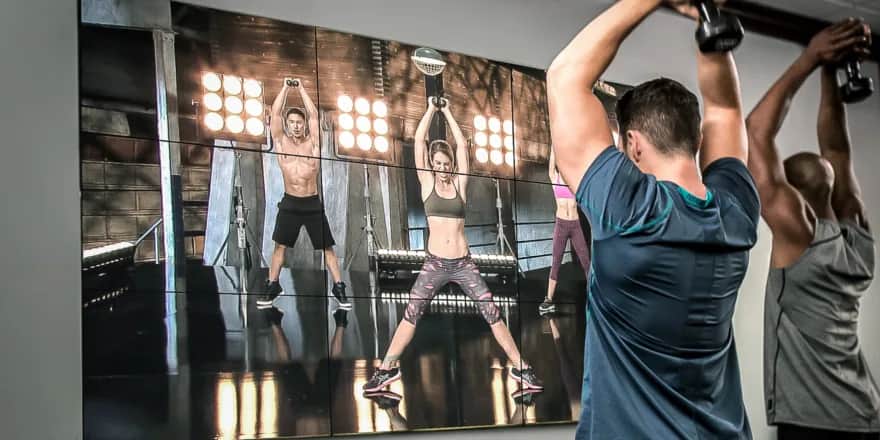
Resident wellness is entering a new phase. It's more important that your spaces and services seamless support everyday life as opposed to simply offering access to some basic features. At the center of this shift is longevity. Multifamily wellness and longevity are becoming a practical framework that leaders are using to elevate daily routines and living spaces.
Wellness is no longer a side benefit of a great property; it's becoming a core decision driver for residents and investors. The global wellness economy is projected to reach $9.8 trillion by 2029, with rapid growth in categories tied to measurable outcomes like recovery, sleep and preventative care. At the same time, research shows that 78% of people now exercise primarily for mental or emotional well-being rather than just physical fitness. This lens is influencing what multifamily wellness amenities are expected to deliver and how digital fitness can extend access beyond the fitness center.
Your Property's Amenity Guide
Discover how to design, implement, and optimize your gym to meet today’s resident demands without breaking the budget.
For multifamily leaders, this means traditional amenity strategies built around equipment and aesthetics are already behind the curve. As multifamily wellness amenities evolve, communities that align their offerings with how people actually build habits and healthy lifestyles will lead this new era.
Key Trends Shaping Wellness in Multifamily
The key trends currently reshaping resident behavior all revolve around the concept of "longevity" which is quickly and quietly influencing purchase decisions, rental preferences, and retention rates. More specifically, we're seeing renters looking for the following:
Quality of life over quantity
The emphasis is shifting away from just living longer to living better, with strength, mobility, and cognitive function emerging as markers of long-term health. The introduction of multifamily wellness, active aging, and longevity initiatives increasingly reflect these priorities.
Flexibility in daily life
Access to professional, personalized wellness content makes it easier than ever for people to fit it into their schedules. In fact, 63% of gym members are using a blend of in-person and digital platforms to incorporate more on-demand classes, guided recovery, and micro-workouts into their daily lives.
Holistic health
Sleep quality and stress management are a central pillar to why people are exercising more. This means people want more recovery-focused options such as infrared therapy, heat exposure, and guided breathwork. And they don't want to leave their building for it if they don't have to.
Data-informed wellness
Wearables have evolved from simple step counters into complete health companions that monitor recovery, sleep quality, and stress levels. And today, they can deliver personalized insights using AI to translate raw data into recommendations that help people instantly optimize rest, training, and overall well-being.
Pushback against complexity
And to top it off, people want all of these trends and insights bundled up into a simple solutions that gives them actionable, evidence-based recommendations to improve their quality of life.
Younger generations driving change
Roughly 60-70% of Millennials and Gen Z identify wellness as a top priority. They are leading the shift in actively engaging their mental health, sleep, and digital fitness.
Fitness Spaces Are Being Re-evaluated
These shifts are forcing multifamily communities to reassess their fitness spaces and wellness amenities. Fitness centers remain a baseline expectation (nearly 80% of renters consider them essential or desirable) but simply having that space is no longer enough to stay competitive.
Many existing spaces were designed around fixed routines and equipment-first models. That approach is increasingly out of step with today's flexible, habit-driven behavior which creates a gap between what you offer and what residents want.
You need to differentiate by aligning spaces and technology with how residents actually live and maintain habits. The right wellness amenities and digital fitness for multifamily can close that gap.
Alignment, Not Access
As longevity reshapes how wellness is understood, consistency is the defining success metric. Sustaining habits over time matters more than bursts of intensity or occasional participation. Lower engagement or foot traffic often signals misalignment between traditional wellness amenities and evolving renter behavior. Multifamily wellness and longevity strategies that integrate on-demand fitness and wellness content, device integrations, and community challenges can turn sporadic use into regular touchpoints with residents.
The strategic question you should be asking yourself is no longer “Should we invest in wellness?” but “Are our spaces and services aligned with our residents' behaviors and lifestyles today?” If you can answer that question with evidence-based, flexible and tech-enabled solutions, you'll set the new baseline for competitiveness in your market.
Common Wellness Amenities in Multifamily
Many multifamily communities design a fitness room by putting some weights, fitness equipment and a few cardio machines in the space. And this is a great start, but it's designed for operational convenience instead of resident behavior.
The first step in modernizing for longevity is to shift from an inventory mindset (what equipment do we have?) to a use-case mindset (when/how are my residents actually using this space?). For example, an early-morning resident may want a quiet space for mobility and breathwork, while others prefer a lunchtime strength circuit or an evening restorative yoga session.
You can even go the extra mile to offer yoga and mobility sessions, recommend outdoor walking loops, or apartment-friendly recovery features like red light saunas, cold exposure options, and stretching areas.
Some of these may seem unrealistic at first glance - especially if you're picturing big-box gym amenities. But there are plenty of wellness and digital fitness solutions for multifamily properties that make it a lot easier to deliver this layered approach and support every lifestyle and ability.
Impact on Satisfaction, Retention, and Cost
Well-designed multifamily wellness amenities correlate with higher tenant satisfaction by making everyday wellness easier. When residents feel you're supporting and actively contributing to their lifestyle, they build a stronger attachment to your community, perceived value increases and retention improves.
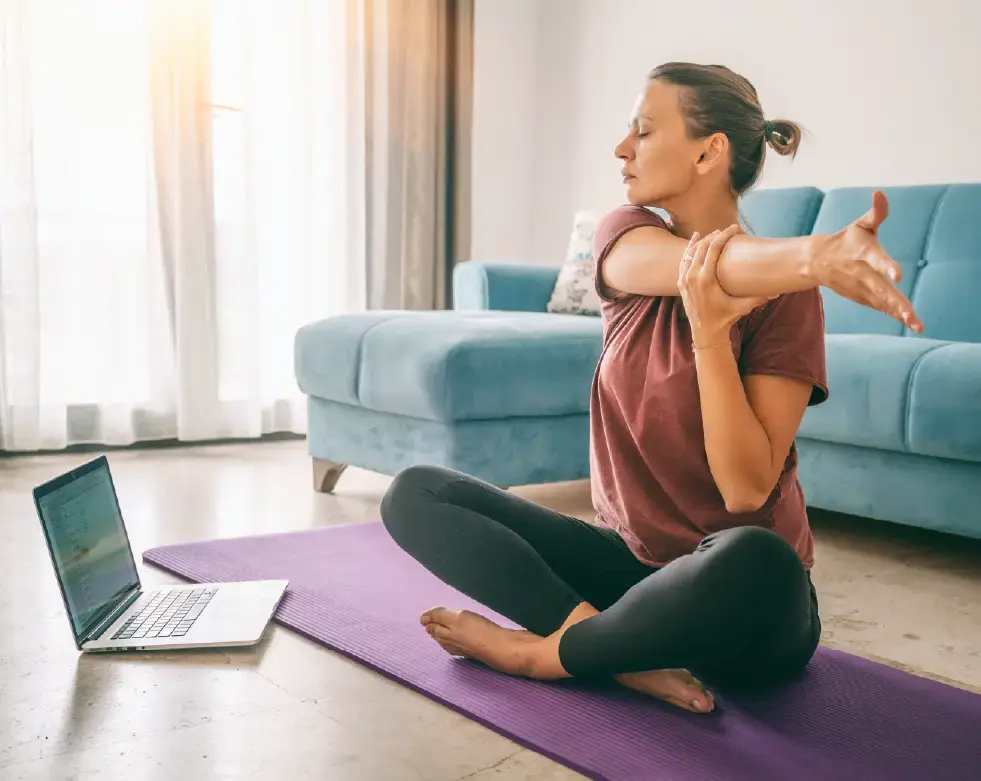
Alongside the fitness center benefits we've outlined, digital fitness for multifamily can even help reinforce natural daily behaviors right in residents units by giving them access to the same benefits from their smartphones!
For example, residents who build daily habits around on-site amenities will have a harder time moving. If a resident relies on a specific morning strength class or an evening stretch routine using your recovery tools, moving away from that becomes more disruptive. Over time, even a small improvement in annual retention can have significant NOI impact, outperforming many one-time leasing concessions.
And costs for any of this will depend on what you need. Light upgrades can include zoning spaces for functional training, refreshing lighting, mirrors, storage, and signage. Mid-tier additions such as on-demand content subscriptions, small-group coaching, and basic recovery tools (compression, mats, mobility kits) add manageable monthly fees. Higher-investment options like saunas, cold plunge, infrared, acoustic treatments, or expanded outdoor circuits, carry larger capital costs but can be phased in where necessary.
At the end of the day, it's usually best to start with your existing spaces instead of undergoing a complete renovation. Digital fitness for multifamily typically scales efficiently, offering high perceived value relative to cost and complementing physical spaces without major build-outs.
A Shift Already Underway
Much of the infrastructure you need for a modern wellness amenity already exists. What is changing is how it's expected to function. Longevity is reshaping expectations toward experiences that are flexible, balanced, and sustainable, with participation meaning more than presentation.
Ultimately, what you offer will matter less than how consistently your multifamily wellness amenities support your residents habits and lifestyles. Get in touch with us to learn how easy and cost-effective it can be to give your residents the support and convenience they expect without adding operational complexity!

Author
Sean Obregon
Sean Obregon is an impactful Business Development Executive forming meaningful relationships to support enhancing operational and strategic success. He utilizes his industry knowledge and experience to create solutions that align with both the needs and wants of a customer, setting a business up for success.