Fifteen years ago, only major companies like Nike and Strava had custom fitness apps. They had teams of app developers and massive budgets. For your average gym owner, creating an app seemed as doable as inventing a new cardio machine from scratch. Theoretically possible, yes, but probably not going to happen.
That's not the case anymore. White-label apps and vibe coding have made branded apps much more accessible for fitness businesses of all sizes. With the average American now using six different health-related apps regularly, branded fitness apps have become more of an expectation than a luxury.
If you're ready to create an app for your gym members, one of the first decisions you'll need to make is whether you want to build a custom app or go with a white-label solution. While a custom app gives you more control over the features, it's typically more expensive.
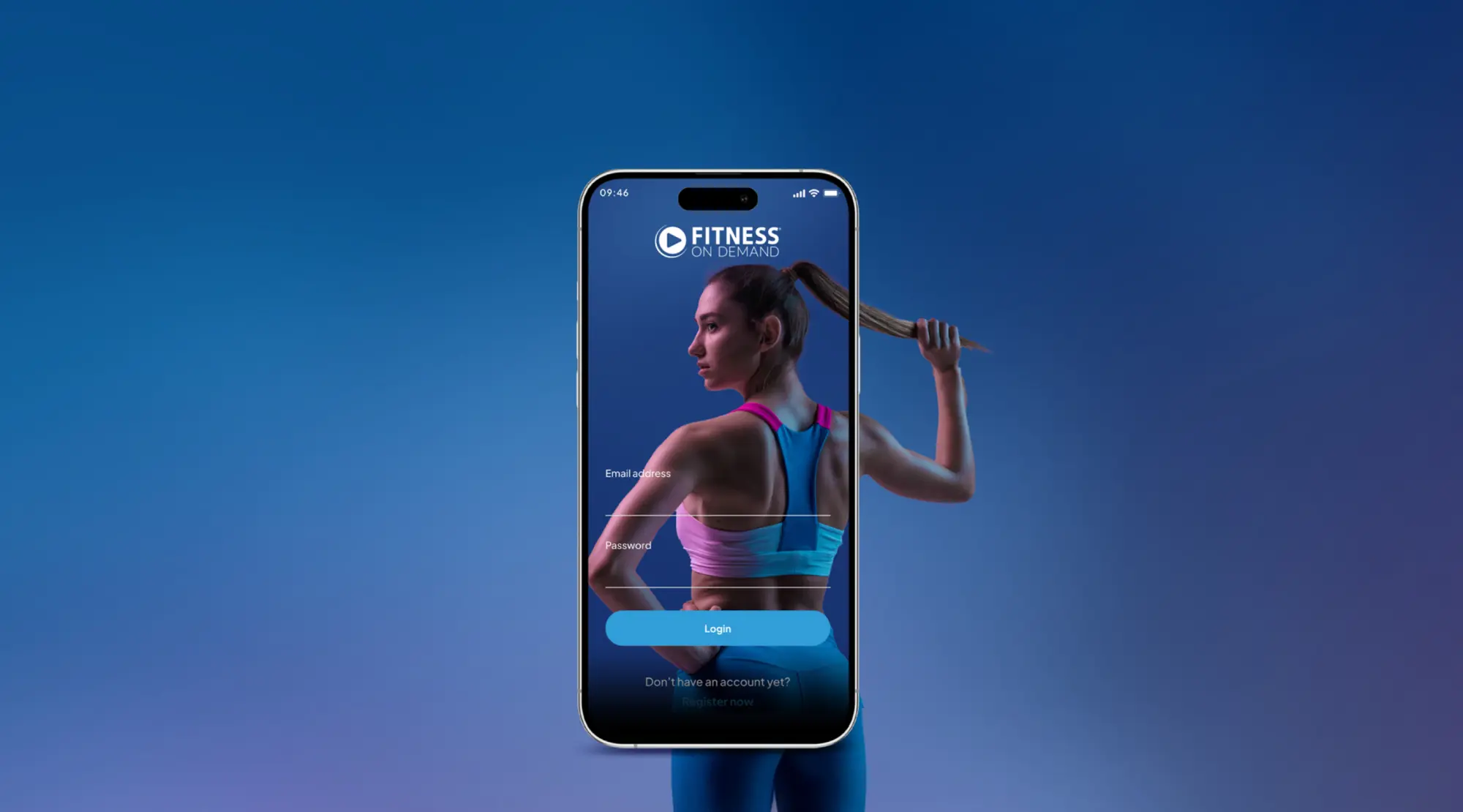
Your Brand, Our App
Expand your offerings with nutrition guidance, workout tracking, custom challenges, and over 1,800 fitness and wellness classes—all from a mobile app with your branding.
This guide will help you compare the features, costs, and long-term value for each option.
Choosing Between Custom Development and White-Label Solutions
A custom branded fitness app is built from scratch for your business. You have full control over everything from the appearance to the features and updates.
On the other hand, a white-label fitness app is pre-built software from a vendor. They may customize the look or tweak a few features, but your options are more limited. The vendor also owns the core software, so they control the overall design and updates.
For most gyms, the white-label fitness app benefits outweigh the extra flexibility of a custom app. The software is already developed, so you can typically launch in a few weeks or a couple of months. That's much faster than developing a custom app from the ground up, which often takes 20 to 40 weeks.
The vendor also handles maintenance and security updates, so you don't have to worry about the technical details. They're responsible for fixing bugs, too, which reduces the risk of downtime.
Of course, your budget matters, too — especially if you'll need to hire a developer to build a custom app. In most cases, investing in a white-label app is the most cost-effective and hassle-free way to create a branded app.
What It Really Costs to Build and Maintain a Branded App
The average cost to build a simple mobile app ranges from $5,000 to $50,000. If you want to add more complex features like an AI trainer, your expenses could reach six figures.
That's only the cost for development. There is the added cost of ongoing maintenance, which is usually around 15% to 20% of the initial development cost. For example, if your app costs $20,000 to build, expect to pay around $3,000 to $4,000 annually for maintenance.
Plus, hidden fees can sneak up on you. If you want your app to have gym management software integrations, you'll need to pay extra to make sure all the platforms are compatible. Extra security features and updates increase the price tag, too.
A white-label fitness app is usually much more affordable. Some companies use a subscription model, which may range from $5,000 to $50,000 per year. Others charge a one-time licensing fee of $10,000 to $100,000. While these ranges may seem wide, the price can vary significantly based on the complexity of the app and the features you choose.
Many vendors also charge setup fees to add your branding to the app and onboard your team. These fees often start at a few hundred dollars, but you'll only need to pay them once.
If you're on a tight budget, a white-label app can save you thousands of dollars. The key is to make sure you understand the limitations early and continue to assess value as your gym grows.
The Features That Keep Members Coming Back
No matter which option you choose, a gym app is a significant investment. If you want to encourage long-term app usage, there's no substitute for engaging content. Consider surveying your members about their favorite types of classes and challenges. When they genuinely love the content you share, they're more likely to make your app part of their fitness routine.
A branded app should also include practical features that make the entire gym experience more convenient. For example, you might add an in-app payment system or scheduling tools, so members can sign up for classes on their phones.
Premium content is another way to motivate members to use your app. Consider offering exclusive fitness classes and tips, such as tutorials from a popular instructor. You could also branch out into nutrition and meditation content.
Essential Features Every Gym App Should Include
People tend to stick with apps that simplify their daily routines. Support your members with these must-have gym fitness app features:
- On-demand workout content, including classes for different skill levels and workout styles
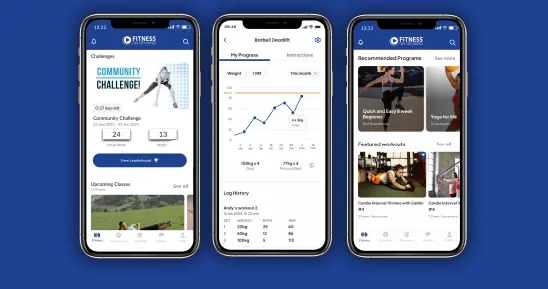
- Fitness challenges, such as 30-day workout challenges or strength competitions
- Push notifications to remind users of upcoming classes
- Progress tracking
- Personalization, like the ability to set custom goals
These features make working out more accessible, improving white-label and custom-branded fitness app engagement. If a member doesn't have time to go to the gym, they could follow an on-demand yoga or cardio class on their phone. That makes it easier to build healthy habits.
Gamified fitness strategies also build motivation and provide accountability. For example, a member may join a competition to attend the most classes in a month. As they watch their progress on the community leaderboard, they're more likely to push themselves to reach their goal and climb to the top spot. They may even decide to visit your gym more often to keep their streak going after the contest.
Creating a Branded Experience Members Recognize Everywhere
Your members are already familiar with your branding and values, but they may feel hesitant about trying a new app. If the mobile member experience feels consistent with your brand, they're more likely to trust it.
Most white-label apps allow you to customize the appearance and text. Use the same logos, color scheme, and messaging in the app as you use in the rest of your marketing. When members spot your familiar visuals, they'll feel at home immediately.
Of course, you'll need to do more than add a few branding elements. Look for ways to make your mobile experience a natural extension of the way you already interact with members. That could be as simple as using the same slogans in the app as you do in other communications or adding photos of your trainers and gym.
Evaluating Technology Partners Before You Invest
Choosing a white-label app is much simpler than building a custom one. However, not all vendors are created equal.
As you compare platforms, look for vendors who allow you to add your own branding. The Fitness On Demand Mobile App, for instance, lets you customize the logo, images, and colors. Instead of a generic fitness app, you'll have a platform that feels completely "you."
Consider the quality of their premium content, too. What sorts of classes and resources does the vendor offer, and do they fit your members' interests? If you want to appeal to as many people as possible, choose a vendor with an extensive, actively growing content catalog. The Fitness On Demand App offers over 1,800 on-demand classes, so your members will never get bored. It also includes other relevant content like nutrition tips and pain relief techniques.
Finally, the best white-label fitness apps are easy to implement and compatible with the rest of your tech stack. The Fitness On Demand App is intuitive to use, so you can get your app up and running quickly.
Questions to Ask Before Choosing a Fitness App Platform
It's easy to fixate on the price, especially if you're on a tight budget. However, the upfront costs shouldn't be the only deciding factor. Consider if you can see yourself happily working with the vendor for years.
Before you commit, ask yourself these questions:
- Does the app integrate with the rest of my software?
- Does the vendor offer support during the setup process?
- Is it easy to scale the app as my gym grows?
- Does the app include built-in analytics, such as number of logins and watch time?
- Does the vendor handle ongoing maintenance?
Ask about advanced gym app features, too. For instance, some platforms may allow you to host your own videos on your branded fitness app.
Ready to make your branded app a reality? Learn more about how the Fitness On Demand Mobile App's content and customization can boost your gym's ROI, or request a free demo.

Author
Sean Obregon
Sean Obregon is an impactful Business Development Executive forming meaningful relationships to support enhancing operational and strategic success. He utilizes his industry knowledge and experience to create solutions that align with both the needs and wants of a customer, setting a business up for success.