In a fast-paced corporate world, keeping your team focused and energized can be an uphill battle. Constant demands and tight deadlines can leave everyone overwhelmed and running on autopilot. On top of that, emotional exhaustion from prolonged stress can take a toll on physical health, affecting productivity and workplace efficiency.
That’s where mindfulness at work comes in to save the day. Mindfulness is a type of meditation that helps practitioners focus on the present moment and current surroundings. It helps reduce stress and improve concentration, allowing you to approach tasks with clarity and intention.
As a leader, it is your responsibility to create an environment where your employees can thrive. Integrating mindfulness into your organization helps employees stay engaged, focused, and relaxed, reducing stress while supporting better overall performance.
Employee Wellness App
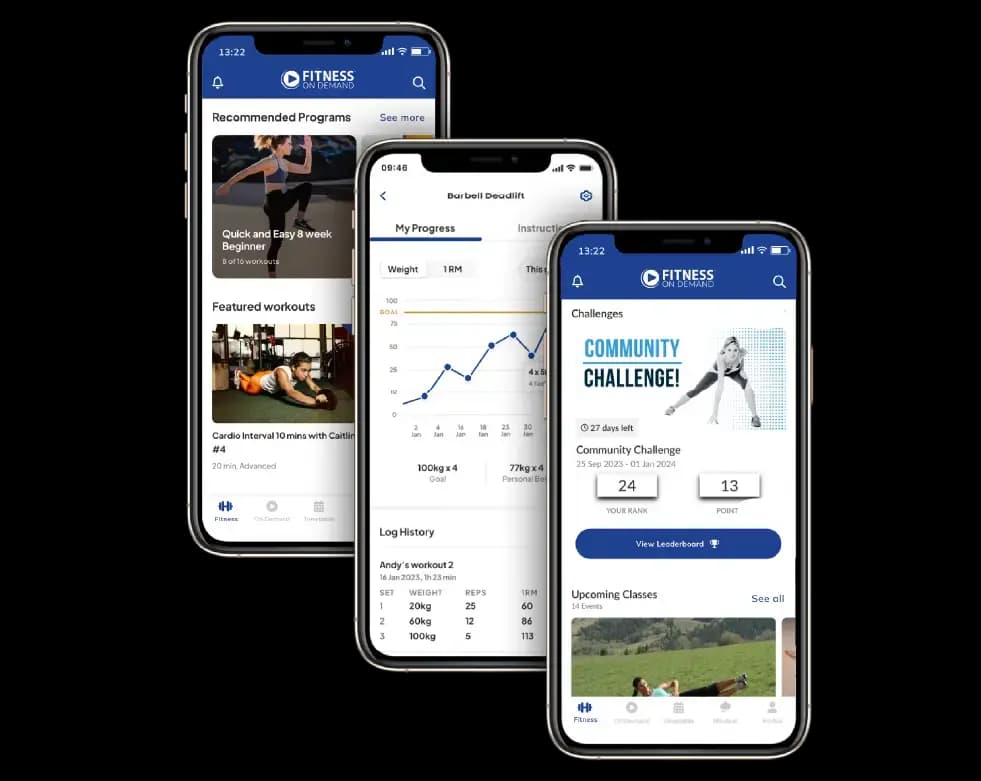
Empower your employees with access to over 1,800 cutting-edge fitness and wellness classes. Offer competitive benefits that will support attracting and retaining top talent by showing you care.
Small mindfulness practices, like taking a few deep breaths, stretching mindfully, or following a brief guided meditation, can help employees feel more relaxed. It’ll give them the stability, energy, and clarity they need to perform at their best every day.
Let’s look more closely at what mindfulness activities at work entail and how they can benefit your team’s efficiency.
What Is Mindfulness at Work?
What if your employees could stay fully focused and engaged all through the day? Mindfulness is the practice of intentionally bringing awareness and presence into daily activities. It involves paying attention to your thoughts, emotions, and surroundings without judgment.
Mindfulness has roots in ancient meditation practices and is still widely used because of its many benefits. At work, this means bringing full attention to tasks and interactions, focusing on one task at a time. It can be as simple as taking a few deep breaths or moving around and stretching before a meeting or email.
Mindfulness at work also involves noticing physical sensations and thoughts when stressed and briefly reflecting on priorities at the start of the day. Over time, practicing mindfulness boosts the mental and physical well-being of your employees and strengthens communication, workplace engagement, and resilience across your team.
Why Mindfulness Matters in Today’s Corporate Culture
Workplace demands can leave your employees stretched thin and constantly under pressure. Continuous meetings, overlapping deadlines, and constant interruptions can drain attention and energy. This can make it harder for your employees to stay focused and productive.
Mindfulness practices help employees achieve physical and mental balance by encouraging them to pause, regain focus, and stay present in the moment. Integrating them into your everyday workings is not just an employee wellness trend but a practical strategy to help teams manage work pressure with ease.
By practicing mindfulness, employees can communicate more thoughtfully and approach challenges with clearer thinking. This reduces misunderstandings, improves collaboration, encourages innovative problem-solving, and contributes to a more supportive and engaged workplace culture.
Benefits of Integrating Movement and Mindfulness
Here’s how bringing movement and mindfulness into your workplace can help:
- Promote clearer thinking on the go: Continuously working can make your employees feel bored and stressed, leading to burnout. But a few minutes of yoga or stretching can help your team relax muscles, get happy hormones flowing, and shake off mental fog. This allows them to approach tasks with renewed sharpness.
- Recharge energy fast: Sitting in one spot or staring at a screen for hours can drain your team’s energy. Short movement breaks help them reset, stay alert, and bring fresh focus back to their work.
- Build mental toughness: Doing regular mindful movement strengthens your employees’ ability to stay composed and bounce back from challenges.
- Create a healthier culture: Integrating movement with mindfulness helps employees feel healthier and more balanced, while promoting a constructive and uplifting workplace culture. This is a great way to boost overall team morale.
- Boost creativity: Mindful breaks, like taking a short walk or breathing exercises, give your employees a chance to step back. It helps clear their minds and approach problems with fresh perspectives.
- Encourage collaboration: Group yoga or stretch sessions create shared experiences. This can bring your staff together, building connections and teamwork.
Practical Ways to Encourage Mindfulness at Work
Mindfulness doesn’t have to be complicated or time-consuming. You can weave it naturally into your team’s day with these mindfulness activities:
Schedule Guided Breathing Sessions and Short Meditations
Even a few minutes of focused breathing can reset the mind. You can try starting the day with a 3- to 5-minute guided meditation for your employees. You can also lead your team through a quick session of breathing exercises before a big meeting. These small pauses create a mental buffer, helping everyone shift out of rushing mode and into a calm, clear headspace.
You can use technology, such as mindfulness apps and virtual classes, to make these practices more accessible. Apps can provide guided meditations, reminders, and progress tracking, while virtual classes allow employees to join sessions from anywhere. Team members can use them to fit mindfulness practices into their busy schedules and stay connected.
Encourage Desk-Friendly Stretch Breaks and Digital Wellness Routines
Encourage employees to move without leaving their desks. A quick neck roll, shoulder stretch, or standing reach can wake up stiff muscles and clear mental clutter. Pair these mini-breaks with short digital wellness routines. This can include a two-minute screen-free meditation or a gentle yoga flow to keep energy levels up throughout the day.
Create Mindful Workspaces
The workplace environment can strongly support mindfulness. Encourage employees to declutter their desks, as tidy spaces reduce distractions and help focus. Add greenery and natural light, which can improve mood and lower stress. Designate a quiet corner for short breaks, giving employees a space to pause, reset, and regain focus throughout the day. Consider adding visual reminders for mindful moments, such as posters with breathing cues or an open calendar block dedicated to a midday reset.
Building a Culture of Wellness Through Consistency and Accessibility
Creating a culture where wellness becomes part of the workday takes more than a few posters or occasional reminders. It’s about making participation effortless for your team. Here are some workplace wellness ideas you can easily implement:
1. Highlight daily sessions:
Use digital screens and signage in shared spaces to showcase yoga, stretching, or other mindfulness interventions. This makes employees aware of available resources, reminds them to take mindful breaks, and normalizes these practices as part of the workplace culture.
2. Schedule guided breaks:
Send calendar invites for short guided breathing or meditation sessions to serve as reminders for employees to take a mindful break. This boosts participation, making it easy for everyone to join, ensuring that these practices become part of their daily routine.
3. Turn small actions into habits:
Consistently prompting micro-breaks will integrate mindfulness into your staff’s daily routine. Encourage friendly team challenges like “5 minutes of stretch per day” or “morning meditation streaks” to boost workplace engagement and build mindfulness skills.
4. Lead by example:
Participate in sessions yourself to show employees that mindfulness and movement are valued at all levels.
5. Create a wellness corner:
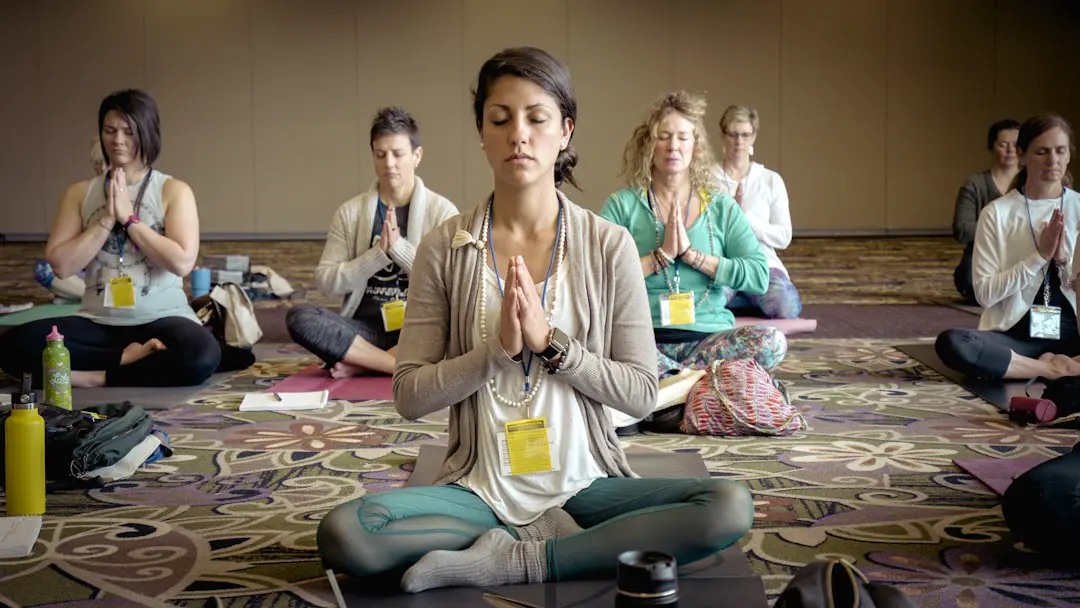
Dedicate a quiet space with yoga mats, props, or a few comfortable chairs for meditation breaks or stretching.
6. Use themed wellness days:
Designate one day a week for guided yoga, desk stretches, or a digital meditation session to keep participation fun and varied.
7. Share resources:
Send links to mindfulness training, short guided meditations, or stretching routines employees can access anytime, even from home.
8. Celebrate participation:
Recognize teams or individuals at your workplace who consistently engage in wellness activities to reinforce positive habits.
To keep these routines alive, track what resonates with your team. Employee wellness platforms like Fitness On Demand make it easy to monitor engagement through detailed analytics. You can see which classes are most popular, how often employees participate, and which times of day have the highest attendance. The platform also provides data related to class duration and repeat participation. These metrics can give you insights into employee preferences and help you identify trends over time.
Armed with this data, you can adjust schedules, introduce more of the sessions your team loves, and ensure participation stays high. These analytics give you a clear view of how mindfulness and movement influence energy and productivity. They make it easier to see the real return on investment (ROI) of your wellness efforts.
How Fitness On Demand Supports Mindfulness and Movement
If high pressure is wearing your team down, it’s time to rethink how you support your employees' well-being.
Fitness On Demand offers a simple solution. Whether your team is in-office, remote, or hybrid, employees can access guided yoga, stretching sessions, and meditation classes anytime. Our platform makes it easy to weave workplace mindfulness into even the busiest schedules.
With our user-friendly digital platform, you can schedule sessions, track participation, and see which classes resonate most with your team. As time passes, this consistency will help your staff stay focused and productive, building a healthier and more balanced workplace culture.
Take the first step toward a more mindful, active workforce. Learn how Fitness On Demand can transform your corporate wellness program. Schedule a demo today.
Mindfulness at Work FAQs
What is mindfulness in the workplace?
Mindfulness at work is the practice of being fully present during your tasks, meetings, and interactions. It helps employees stay focused, manage stress, and respond thoughtfully instead of reacting automatically. Incorporating mindfulness can improve clarity, emotional balance, and overall workplace well-being.
What is the 3-3-3 rule in mindfulness?
The 3-3-3 rule is a simple mindfulness technique to quickly reset your mind during stressful moments. You focus on three things you can see, three things you can hear, and three deep breaths. This exercise brings attention to the present moment, helping you relieve tension and compose yourself almost instantly.

Author
Sean Obregon
Sean Obregon is an impactful Business Development Executive forming meaningful relationships to support enhancing operational and strategic success. He utilizes his industry knowledge and experience to create solutions that align with both the needs and wants of a customer, setting a business up for success.