In a perfect world, all your clients would stroll into your gym every day. When life gets hectic, though, in-person workouts often take a backseat. Plus, even the most flexible classes and personal training sessions won't fit everyone's schedule. Sunrise yoga? On the gym calendar. But early birds looking for a 5 a.m. stretching class are probably out of luck — at least for in-person classes.
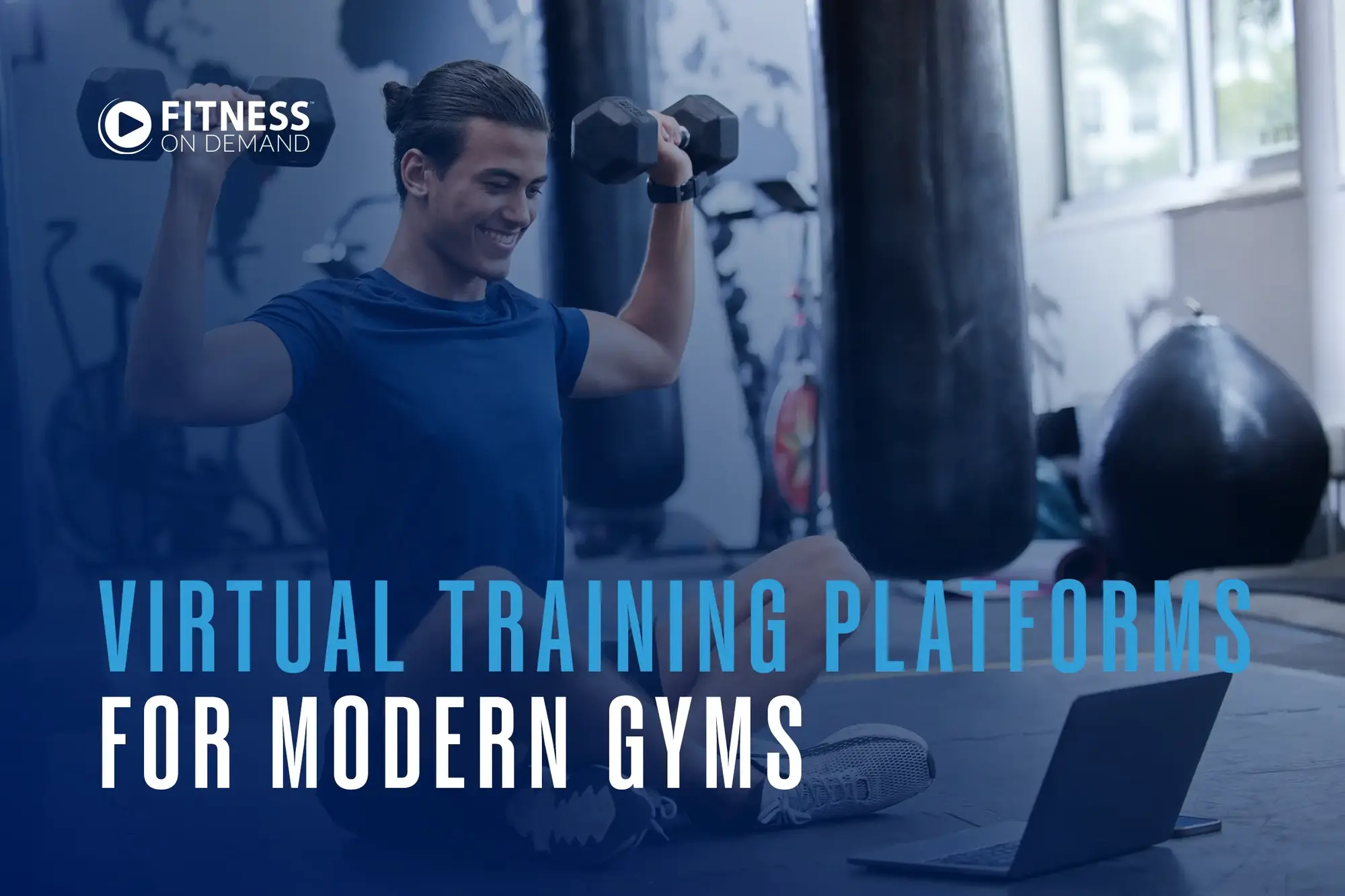
Virtual training platforms help gyms fill in these gaps. They make it easy to offer accessible, flexible workout options. You can use this software to offer remote training sessions with your instructors, either at your facility or while clients are on the go. Many platforms also include on-demand classes for everything from quick cardio sessions to Zumba.
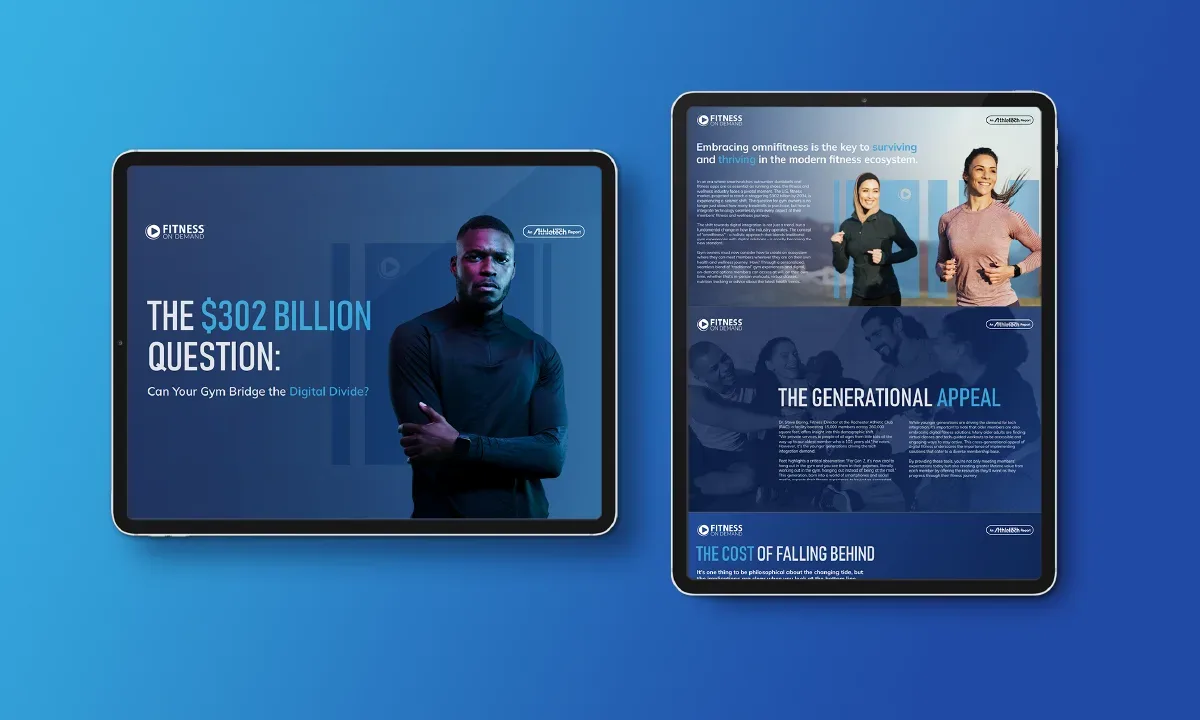
The $302 Billion Question
Can your gym bridge the digital divide? Explore how to integrate digital solutions seamlessly into your fitness ecosystem in this Athletech News Report!
With the right software, you can build custom training plans and track progress with a few clicks. That's a recipe for more engaged and happy clients who stay connected to your gym, even when they can't always show up to in-person sessions.
How Virtual Platforms Are Transforming Commercial Gyms
If you own an in-person fitness facility, virtual personal training platforms may feel a bit threatening. But don't worry; gyms aren't going extinct any time soon. McKinsey's 2025 Future of Wellness Survey found that the demand for in-person services, including boutique fitness classes, is growing.
Fitness apps and virtual training supplement these traditional offerings instead of replacing them. They support hybrid fitness models, which combine in-person and virtual experiences. These flexible options help members stay active, even when they can't hit the gym. Plus, these tools let clients personalize their workouts to fit their goals instead of always sticking to what's on the gym calendar.
A busy mom, for instance, could squeeze in a virtual coaching session during her baby's nap. On the weekends, she can head up to the gym for an in-person cardio class or meet a friend for a walk-and-yap treadmill session. Meanwhile, someone who travels for work can stay in touch with their personal trainer and stream on-demand classes from their hotel room.
When your offerings are ultra-flexible, it's much easier for clients to build consistent habits. And that keeps them coming back to your gym.
Key Features of Successful Virtual Training Platforms
Not all virtual training platforms for businesses are created equal. The best software comes with these must-have features:
- On-demand and live-streamed classes: For the most flexibility, choose a platform that lets members watch pre-recorded classes and join live ones remotely. On-demand options are great for people who enjoy working out at odd hours or who don't want an audience while they try to learn a new dance move. Meanwhile, live-streamed classes offer camaraderie and the chance to get feedback from instructors. This guide to virtual fitness classes breaks down more of their benefits.
- Apps and wearables compatibility: About three out of ten American adults sport fitness watches and other wearables. Look for virtual training software that integrates with these devices and mobile apps. For example, the Flex App lets members track workouts, steps, and more from their smartphones. That way, they'll never have to wonder if they already did enough deadlifts or met their step goals for the week.
- Data analytics: While your members may geek out over calories burned and the number of reps, gym owners can also benefit from this data. Use your virtual training platform to track real-time engagement, sessions, and other metrics. This information can help you spot trends and understand your members' habits and needs. If 40% of people stream classes between 6 a.m. and 9 a.m., you could add more morning classes to your in-person schedule to attract these early birds.
- Works on different devices: It's normal for members to hop back and forth across different devices. They might watch an on-demand stretching session on their phone while they're at work, then use their laptop to meet their personal trainer virtually. A successful platform works smoothly on all devices.
Benefits for Gym Owners and Operators
Virtual fitness platforms aren't just convenient for customers. They can also help you grow your business and reach more members.
Customer engagement and retention are two of the biggest perks. You've probably seen countless members fall out of their routines and vanish, sometimes for good. With virtual training, you can help them stay consistent and keep reaching their goals instead of giving up. Over time, that leads to more loyal and involved clients.
This technology also lets you offer more without draining your bank account. Sure, you could theoretically hire enough personal trainers and instructors for 24/7 sessions. However, the cost could be astronomical. And you probably don't even have enough physical space for all those classes. With Fitness On Demand, members can tune in to over 1,200 on-demand courses whenever they like. Budget saved.
Virtual training software streamlines your operations, too. All your content stays on one platform, so your members and staff always know where to find it. Plus, you can analyze all your data in one centralized dashboard instead of shuffling between programs.
Implementing a Virtual Training Platform in Your Gym
Like any new technology, virtual training software comes with a learning curve. If you try to immediately roll it out without any preparation, it could lead to mass confusion or even disgruntled clients.
Take the time to teach your staff how to use the platform you've chosen. Some vendors offer training programs to get employees up to speed quickly. You could also provide one-on-one support or organize a one-day boot camp to go over key features. Show your staff how to create custom training plans, schedule virtual sessions, and more.
Remember that performing in front of a camera doesn't always come naturally, especially for trainers who usually work with clients face-to-face. Set them up for success by sharing tips, such as:
- Where to set the camera when demonstrating weight-lifting exercises
- How to find the right lighting
- How to keep remote participants engaged during a long session
- What to do if they run into technical difficulties during virtual training or live-streamed classes
Once you're ready to start using the software, consider having a staff member on hand to help onboard members. You could also film a quick tutorial to share on your website and social media. Show viewers how to sign up and start streaming content. This is also a great time to answer common questions, such as: "What do fitness classes offer me from home? "
Incentives are another way to encourage members to join the platform. Offer a free drink from the gym smoothie bar or a discount on your merch for everyone who signs up. This can help win over skeptics and staunch in-person gym-goers.
Spread the word with digital signage around your gym. Spotlight popular on-demand classes or encourage members to sign up for virtual coaching experiences. You can also use your mobile app to send reminders directly to your audience's devices. A few friendly messages — like "Hey, Jess! Have you tried our new virtual classes yet?" — can go a long way to encouraging adoption.
The Future of Virtual Fitness Technology
It's no secret that the fitness industry is changing faster than your speediest treadmill joggers.
Many gyms now offer hybrid models to accommodate members' busy lifestyles. Virtual platforms make it easy to offer a variety of services and content, so your customers can stay involved from anywhere. It's a simple and budget-friendly way to grow your business.
Clients also increasingly expect personalized training options instead of one-size-fits-all classes. With Fitness On Demand, people can mix and match fitness, nutrition, and mindfulness content based on their interests. One person might start every morning with a meditation session, while another loves trying out different cardio classes.
Artificial intelligence is another major trend. Your trainers could experiment with using this technology to create custom workout plans or even brainstorm class ideas. When combined with your staff's expertise, this software can save time and help members break out of exercise ruts.
Fitness apps can gamify wellness, too. Use the Flex App to design fun community challenges, such as "30 Classes in 30 Days" or a contest to see who can walk the most miles. Simple challenges like these build engagement and motivation.
Already have a fitness platform? Fitness On Demand's API makes it easy to integrate new features into your existing software. Schedule a demo today to learn more about how virtual training can help your business grow and stay on top of ever-changing fitness trends.
Virtual Training Platforms FAQs
How Does Virtual Fitness Training Work?
There are several types of virtual fitness training. On-demand courses are pre-recorded workouts that clients can stream at any time and place. They can also live-stream classes, which lets them follow along with instructors in real-time. For example, they could join a live yoga class from their living room and interact with the trainer.
Many gyms also offer remote personal training sessions. Participants may chat with their trainers virtually or work with them through video calls.
What Are the Disadvantages of Online Fitness Classes?
Virtual training can be challenging for people working with heavy equipment, which often requires more oversight from instructors for safety. Beginners may also benefit from in-person correction when learning new equipment or exercises.

Author
Luke Miska
Luke Miska is a results-driven business management visionary with a stellar record developing operationalizing strategies, experiences and measurable results that engage teams and customers to lead healthier lives. He leverages his passion for customer-centric strategies and aligns goals between customer needs and organizational priorities, catalyzing business success.