"Sit up straight" and "stop slouching" are the exasperated mantras of moms everywhere. When you interact with residents, though, you may notice that many people haven't absorbed that message. They slump in your waiting room chairs, bent over their smartphones with the dreaded "text neck," and when they walk around, some have hunched shoulders and jutted-out pelvises.

Posture is how people hold their bodies. There are two main types of posture: static and dynamic. Static posture is how people hold their bodies when they sit or stand still, while dynamic posture is how the body adjusts in motion. Good posture can help prevent health issues like back pain and headaches, but smartphones and remote work make it harder than ever to maintain it.
Support Healthy Living
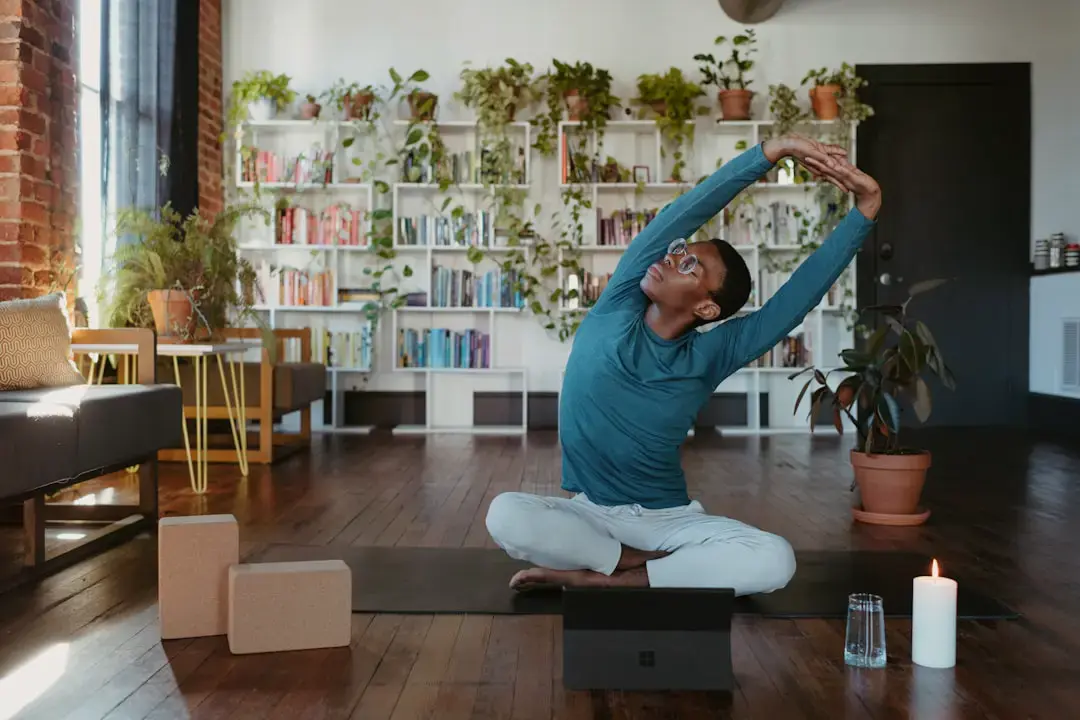
Help residents combat back pain, “text neck,” and long hours at a desk with posture-friendly fitness amenities that are easily implementable.
With the right fitness amenities, property managers can help residents fix their posture while building community and engagement at the same time. This guide explains why creating resident wellness programs focused on good posture makes sense and how to do so successfully.
Understanding the Different Types of Posture
Residents spend a lot of time contorting their bodies into different positions. They spend hours leaning over their computers and smartphones, often while sitting in chairs that aren't exactly ergonomic. When they're on the move, they're toting heavy bags or leaning over to hold a toddler's hand.
People who sit or stand with a neutral posture during these activities put the least amount of stress on their bodies. A neutral posture happens when the person's body feels relaxed and the ears, shoulders, and hips line up.
Most people don't stay in a neutral position all the time, especially if they're often sitting. This can lead to several types of "bad" posture:
- Kyphosis is also known as "hunchback" or "round back." It happens when the spine curves out too much, which pushes the thoracic region between the neck and ribs forward. Kyphosis often starts in young, teenage years.
- Lordosis (or "swayback") is a pronounced forward curve in the spine. While a small curve is normal, this condition pushes the hips and pelvis too far forward. In severe cases, it can cause neck pain and lower back pain.
- Flat back posture happens when the lower spine loses its natural curvature, pushing the center of gravity forward over the hips. It can cause chronic pain and make it difficult to stand upright.
- Forward head posture occurs when the head and neck sit too far in front of the body's center of gravity. It can cause fatigue and pain in the cervical spine of the neck.
Bad posture can cause pain and muscle imbalances. For example, someone who spends 10 hours a day hunched over their computer may feel a twang in their back when they finally stand up. In some cases, it may even cause heartburn or stress incontinence because the body puts too much pressure on the abdomen and bladder.
With 28% of Americans experiencing chronic lower back pain, it's clear that bad posture isn't just a harmless quirk or bad habit. By helping your residents improve their posture, you can have a huge impact on their daily comfort and health.
Healthy vs. Unhealthy Posture: What to Look For
A neutral posture usually involves:
- Keeping the head above the shoulders
- Lining up the shoulders above the hips, as though there's an invisible pole running between them
- Keeping the feet flat on the floor with the knees bent at a 90-degree angle when sitting
- Having the feet hip-distance apart and centering the weight on the balls of the feet when standing
These stances keep the natural curves of the spine shaped like an S, without placing any extra strain or pressure on the body. Of course, that doesn't mean standing perfectly straight 24/7. Posture is dynamic, and it's normal to bend or lean throughout the day.
On the other hand, unhealthy posture pushes those natural curves out of whack. When someone slouches in a chair, for instance, their back may ache, or they could even have trouble breathing. The core muscles in the back and abdomen can also weaken from improper use, making it even more difficult to stand up straight.
Swayback can be harmful, too. You can recognize it by the anterior pelvic tilt, which means the hips are pushed forward. This causes a telltale stomach "pooch" that disappears in a neutral posture. The shoulders are also rounded, which may make the person look shorter.
How Poor Posture Affects Daily Life and Resident Wellbeing
Chronic poor posture can seriously impact residents' everyday lives, especially for older residents. That's because poor posture affects every part of the musculoskeletal system, most commonly causing symptoms like back pain and stiffness, constipation, fatigue, headaches, heartburn, neck pain, poor balance, and stress incontinence.
In many cases, people may not connect their symptoms to their less-than-ideal posture. For example, someone who feels heartburn after lunch may blame their spicy sandwich, not the way they've been slumped in their office chair all day.
Posture also affects mental health and work performance. One study found that people who sat upright had a more positive mood and processed information more quickly. In another trial, office workers who had the option to stand or sit were 6.5% more productive than people who could only sit all day.
Supporting Posture Improvement Through Resident Wellness Programs
As you develop your residential fitness program, think of the best ways to include posture-friendly amenities that will attract residents, such as:
- On-demand classes: Residents can access these virtual fitness classes at home or in your fitness facilities at their convenience. Use digital signage to spotlight classes for posture correction, or mention them in your monthly newsletter. These little reminders can help attract residents struggling with back pain and other side effects of poor posture.
- In-person workout sessions: Bring your community together for regular in-person classes with a trainer. For instance, you could host weekly "Build a Stronger Back" classes that use kettlebells and medicine balls to strengthen muscles. This equipment doesn't take up much space, so it's perfect for even small gyms.
- Programs for stretching, yoga, and mobility exercises: Schedule a weekly sunrise yoga class with an in-person trainer, then invite residents to join virtual classes throughout the week. These activities strengthen the core and improve flexibility, making it easier for residents to maintain their ideal posture.
- Chair workouts: For elderly residents and people with disabilities, chair workouts are a safe way to exercise the major muscle groups and practice different types of sitting posture.
- Water activities: If you have a pool, consider offering fitness classes with gentle water-based exercises for people with back pain and mobility challenges. For example, water aerobics can significantly improve posture alignment and decrease the risk of falls by 28% for elderly people.
- One-off educational workshops: Invite a physical therapist or chiropractor to lead a virtual seminar on choosing ergonomic office furniture. That's sure to attract remote workers who are tired of feeling stiff after a workday. Or your personal trainer could host a workshop on exercises to improve posture.
Use a combination of digital and in-person amenities to teach residents about better posture and introduce them to your fitness offerings. Who knows? Someone who tunes in for your "Posture for Office and Remote Workers 101" seminar may decide to try other virtual classes or pop into your fitness center for a workout.
Building Community Around Resident Health and Wellness
With millions of people suffering from back pain, maintaining good posture is a goal for many residents. Focusing on this common health issue can help you support your residents' health, which can increase engagement and loyalty.
Start by offering in-person or virtual group classes with posture-friendly exercises to build community. Fitness On Demand provides a comprehensive library of virtual courses to supplement your in-person fitness amenities. Residents can work out individually, or you can use the Group Studio to offer regular yoga and core-strengthening classes at any time. No need to hire an extra trainer.
The Flex App also lets you challenge residents to virtual posture challenges. Invite them to participate in a 30-day posture challenge with different exercises each day. Or offer a reward for people who complete 20 posture-related virtual classes in a month. These simple activities build engagement and community through friendly competition.
Interested in learning more about how you can support healthy types of posture in your community? Explore our multi-family house offerings today.
FAQs on Postures
What are the 4 types of postural deformities?
There are several types of postural deformities, including:
- Kyphosis: The upper thoracic spine curves outward more than normal, creating a hunchback.
- Lordosis: Also known as a swayback, this condition occurs when the spine has an abnormal inward curvature.
- Flat back: The lower spine loses its natural curve, so it's not shaped like an S anymore.
- Scoliosis: The spine curves side-to-side instead of front-to-back.
These deformities are more serious than simply slouching or hunching, which are bad habits.
Can you correct years of bad posture?
Absolutely! It's never too late to improve posture. Stretching, yoga, and other activities help build the core muscles, which support the spine. Even simple exercises like wall sits can make a huge difference in posture.

Author
Luke Miska
Luke Miska is a results-driven business management visionary with a stellar record developing operationalizing strategies, experiences and measurable results that engage teams and customers to lead healthier lives. He leverages his passion for customer-centric strategies and aligns goals between customer needs and organizational priorities, catalyzing business success.