Amenities are a frequent topic of discussion during capital budget and portfolio development meetings. Ideas, ranging from simple functional fitness rooms to entire spas, come and go with varying degrees of success.
You wouldn't be wrong to question all of these ideas. Amenities have become a key driver of resident retention rates and property values, as families are increasingly concerned with living in a community that offers more than just a home. But the most expensive upgrades don’t guarantee more renewals or a good net operating income.
We will discuss impactful, technology-enabled high net operating income multifamily amenities, why they work, and how they support long-term property performance.
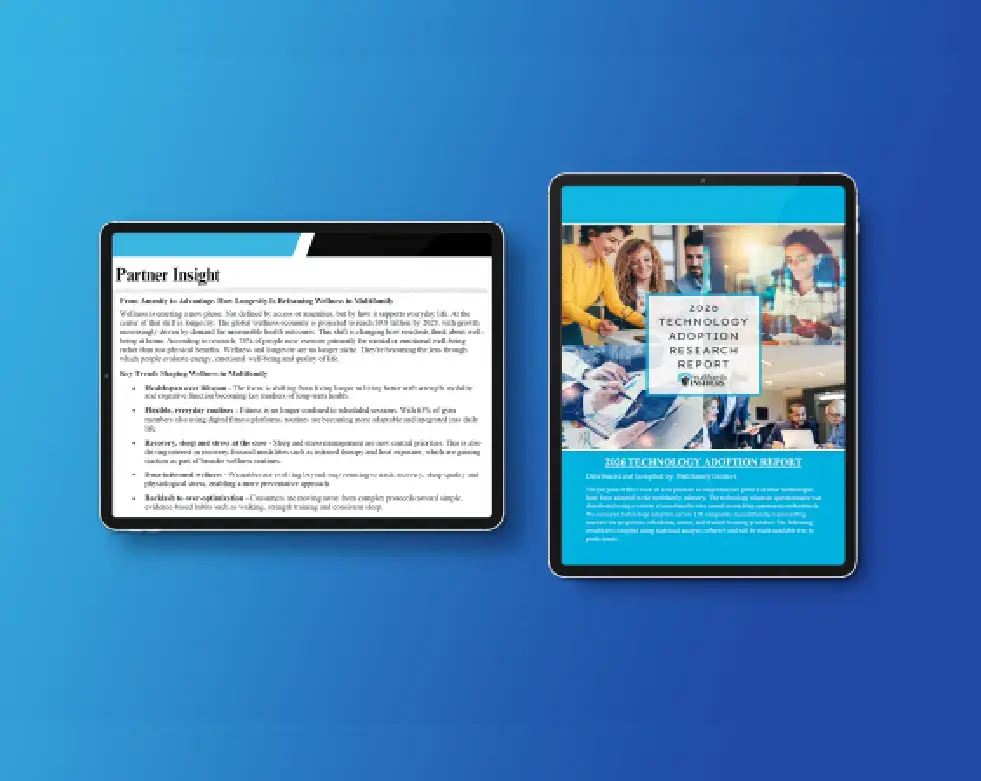
What Are Operators Actually Using?
Dive into the adoption patterns based on portfolio size and see how your technology stack stands compared to industry benchmarks.
How To Measure Amenity NOI Before You Invest
Before you commit your multifamily amenities budget to anything, you need a way to measure whether it’s working or if it has any potential at all.
The first aspect to consider is net operating income (NOI): your property’s total revenue minus operating expenses.
Every amenity decision should trace back to how it moves that number, mostly whether it grows revenue or trims costs.
The second aspect to consider is the difference between chasing acquisition and chasing retention. Flashy, expensive amenities may help secure leases more quickly but have no impact on resident renewal. This means that, after twelve months, you’re back on the marketing treadmill trying to overcome and minimize turnover costs.
A simple evaluation framework helps a lot here:
- Utilization: Will residents use the amenity frequently, or will they tour it once or twice out of curiosity?
- CapEx and ongoing cost: What are the costs for building and maintaining it? Does it require any extra staff?
- Current feedback: Does the amenity show up as a reason residents renew? Does it constantly come up when talking to potential renters?
- Defensibility: Can you and your team point to it in an asset review and delimit its return and impact on property value appreciation?
So, with all of this in mind, which multifamily amenities increase property value the most? Generally, the ones tied to routines. Fitness, connectivity, flexible workspaces, and recurring activities outperform occasional-use amenities like game rooms. Daily or weekly use builds a habit that leads to amenity-driven rent growth.
Technology-Powered Fitness Delivers More Value Than Traditional Gyms
Traditional apartment gyms — ranging from well-maintained ones to small rooms with a few treadmills and dumbbells nobody wipes down — often underperform. Residents can stop showing up at any time, whether because of outdated equipment, a lack of programming, or another reason.
The fix, naturally, is a far cry from removing fitness entirely as an amenity category. Multifamily property owners have to rethink how it’s delivered, and how that can impact the residents’ relationship with the gym.
On-demand fitness replaces static equipment rooms with a rotating library of instructor-led classes, giving residents variety and structure without extra staff. This seemingly small change can motivate people to get back to exercising with the help of licensed, professional instructors right in their community.
At the same time, technology-first gym amenities address flexibility like few other solutions can. Multifamily housing virtual fitness content is available whenever someone has time, whether that’s in the early morning, between meetings, or late at night.
Increasing Amenity Utilization
Naturally, none of this matters if residents don’t use your multifamily amenities regularly. The ideas behind your fitness room could be spectacular, but NOI will still look bad if no one steps into it. Utilization is the single most important metric for determining whether an amenity is earning its keep and whether it can be improved.
If residents aren’t showing interest, there are a few levers you can try:
- Programming: Rotating class schedules give your residents reasons to show up regularly.
- Access: Amenities that require booking specific times or waiting for “gym hours” create a natural barrier to entry for residents.
- Communication: Residents can’t use what they don’t know exists, so regular app notifications or digital signage can be a fantastic help.
Tracking usage data gives your team the evidence to justify spending more (or cutting budget) before your next renovation cycle. In essence, it allows you to make informed investment decisions, based on what your residents value.
Flexible Spaces That Increase Everyday Resident Value
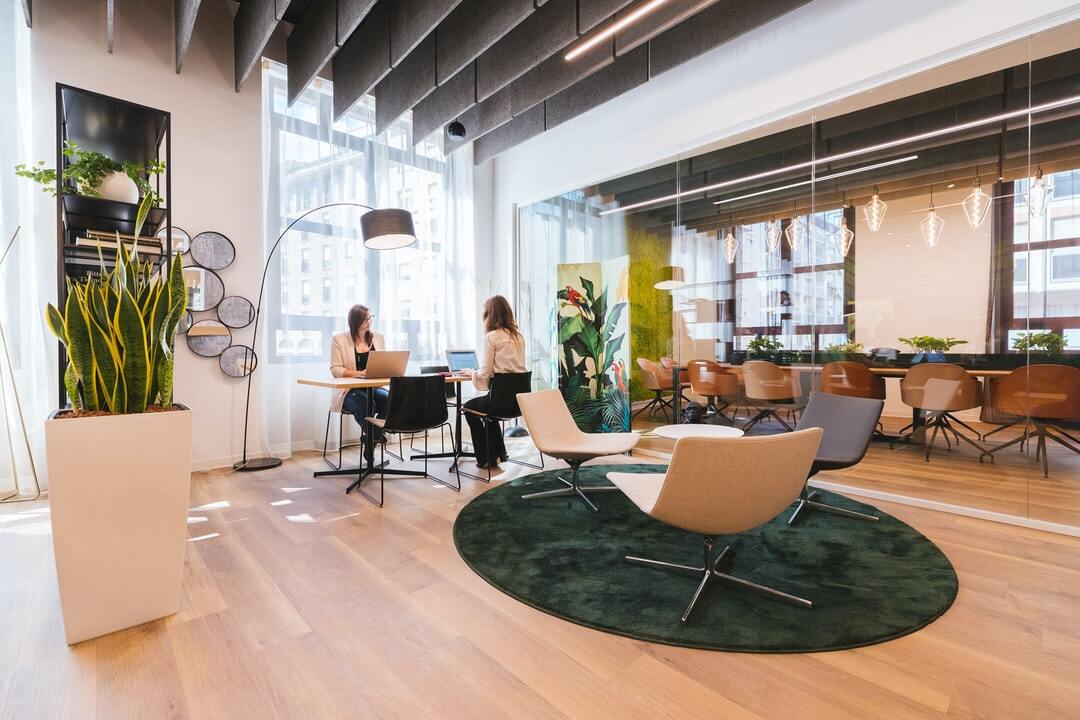
Not every high-NOI amenity involves fitness. Flexible multipurpose spaces can easily earn their place in your buildings, as they solve a wide variety of problems for residents. In fact, a 2025 report shows that while fitness amenities remain the top priority, flexible community spaces come in a close second.
Coworking spaces, for example, have moved into the spotlight ever since the shift into remote and hybrid work. A well-designed coworking nook costs a fraction of what most amenities do, and it will probably get used daily.
Shared wellness spaces, ranging from stretching areas to functional training rooms, are other low-cost amenities that impact modern residents. These can also serve as spaces to support mental health by promoting yoga, meditation, breathwork, and other stress-management activities.
Having a multipurpose room can stretch your square footage even further. The same room hosting a resident event on Friday can double as a class space midweek. The point is the flexibility itself: residents book a time and have freedom to do whatever they need.
Improving resident retention without major renovations often means repurposing underused spaces instead of adding new construction. Flexibility is the key word behind resident retention in your multifamily housing strategies.
Smart Amenities That Reduce Operating Costs
Some of the best multifamily NOI wins come from amenities that reduce your costs rather than adding resident-facing value (although some can do both).
Take, for example, smart home technology. Keyless entry and smart thermostats can reduce maintenance calls and utility waste while offering residents a premium feature. Digital signage, on the other hand, replaces printed flyers and community boards that require manual updates.
Resident communication platforms consolidate maintenance requests and package notifications, payments, and community announcements into a single app. This can single-handedly almost eliminate the staff hours spent on routine resident phone calls.
Together, these amenities support operational efficiency more than roof decks and pools ever will. They don’t look as flashy on a tour, but they take work off your team’s plate every single day.
Wellness Amenities That Strengthen Resident Retention
Wellness has long expanded past the gym floor, creating a key opportunity for property owners and managers to stop treating apartment fitness centers and NOI as a hermetic relationship.
Mental wellness offerings address a resident priority that has grown in recent years. Stress-management programming, quiet spaces, and other options go beyond physical health and help residents find peace of mind. Meditation and mindfulness content, in particular, pair naturally with on-demand fitness content, as both can be run on the same platform.
Recovery zones for stretching and yoga complement your current fitness and multifamily amenities, providing more space for injury prevention and longevity. For some demographics, ranging from senior residents to experienced lifters, this is as important as having a gym in the building.
Active aging deserves specific attention if your portfolio includes 55+ communities or a growing share of older renters. Low-impact programming, balance and mobility content, accessible equipment, and entry-level routines are a few ways to expand into the upper end of the resident demographic.
Building Your 2026 Amenity Budget
Pulling all of these concepts together into a budget means resisting the instinct to fund that high-end amenity that looks fantastic in a rendering. Instead, build your list around the core framework: utilization potential, CapEx efficiency and costs, feedback, and defensibility.
You could also:
- Prioritize amenities with daily or weekly use cases over occasional-use spaces.
- Favor on-demand fitness for residents and flexible-use spaces over single-purpose rooms.
- Build a communication and programming plan for both new and current amenities.
- Track utilization data from day one so you have real data at your next asset review.
Long-term planning matters as much as the initial spend. An amenity that looks great at opening still needs plans for programming, maintenance, and refreshing to keep residents’ attention year after year.
If you’re mapping out your capital plan for the next quarters, Fitness On Demand can help. Download our Multifamily Housing Solutions Guide today to explore our various solutions along with strategies to improve your amenities and your overall property value.

Author
Luke Miska
Luke Miska is a results-driven business management visionary with a stellar record developing operationalizing strategies, experiences and measurable results that engage teams and customers to lead healthier lives. He leverages his passion for customer-centric strategies and aligns goals between customer needs and organizational priorities, catalyzing business success.